Chogosonshiji Temple
The oldest sacred site of Bishamonten in Japan
Origins of Mt. Shigi
Approximately 1,400 years ago, Prince Shotoku ascended this mountain to pray to Bishamonten for victory before his battle against the Mononobe clan, who sought to abolish Buddhism. In the Year of the Tiger, the Month of the Tiger, and the Hour of the Tiger, Bishamonten appeared and bestowed upon him the secret art of certain victory.
Having won the battle, Prince Shotoku carved a statue of Bishamonten with his own hands and erected a hall of worship on this site. He named it Mt. Shigi, meaning "the mountain worthy of faith and reverence." This was the founding of Chogosonshiji Temple.
In the early tenth century, when Emperor Daigo fell gravely ill, the monk Myoren performed esoteric prayers from Mt. Shigi, and the emperor was promptly restored to health. In gratitude, the emperor bestowed the imperial title "Chogosonshiji," and since that time the temple has been revered by the Imperial House and countless devotees.
Today, Chogosonshiji comprises the Main Hall and three sub-temples (Senjuin, Jofukuin, and Gyokuzoin), welcoming all visitors as the head temple of Bishamonten.
The Tiger and Mt. Shigi
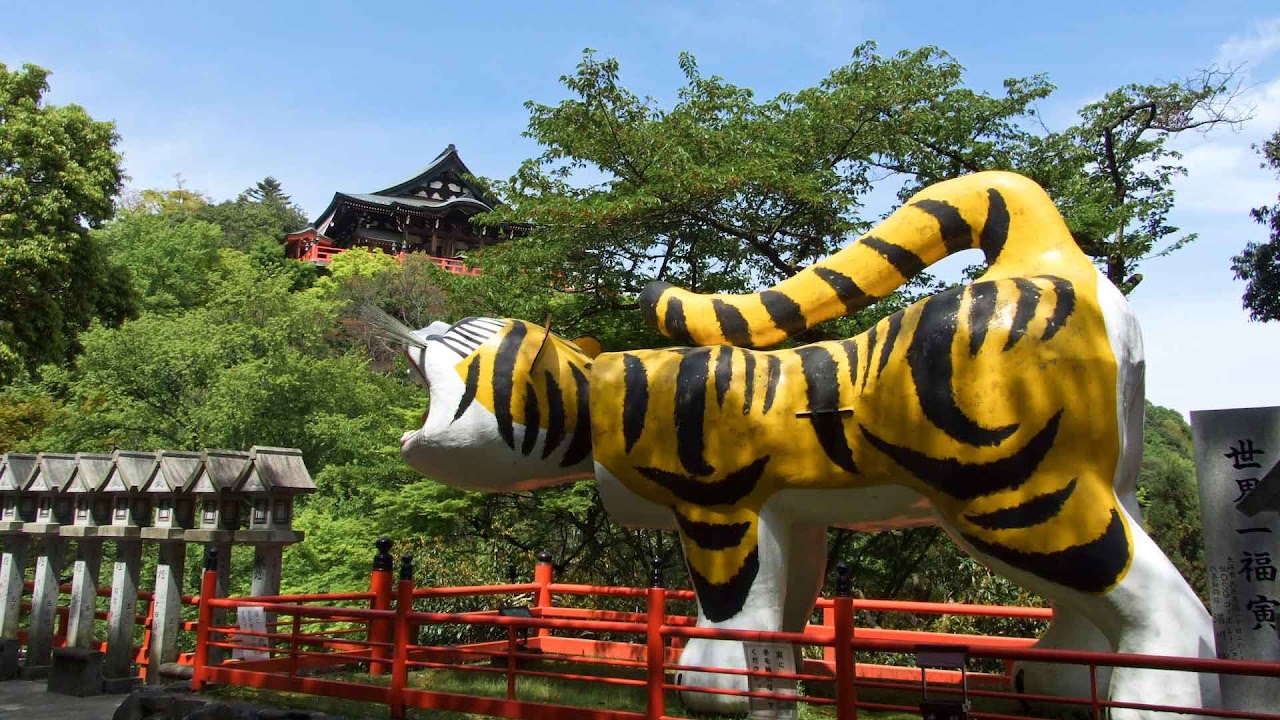
The World's Greatest Lucky Tiger
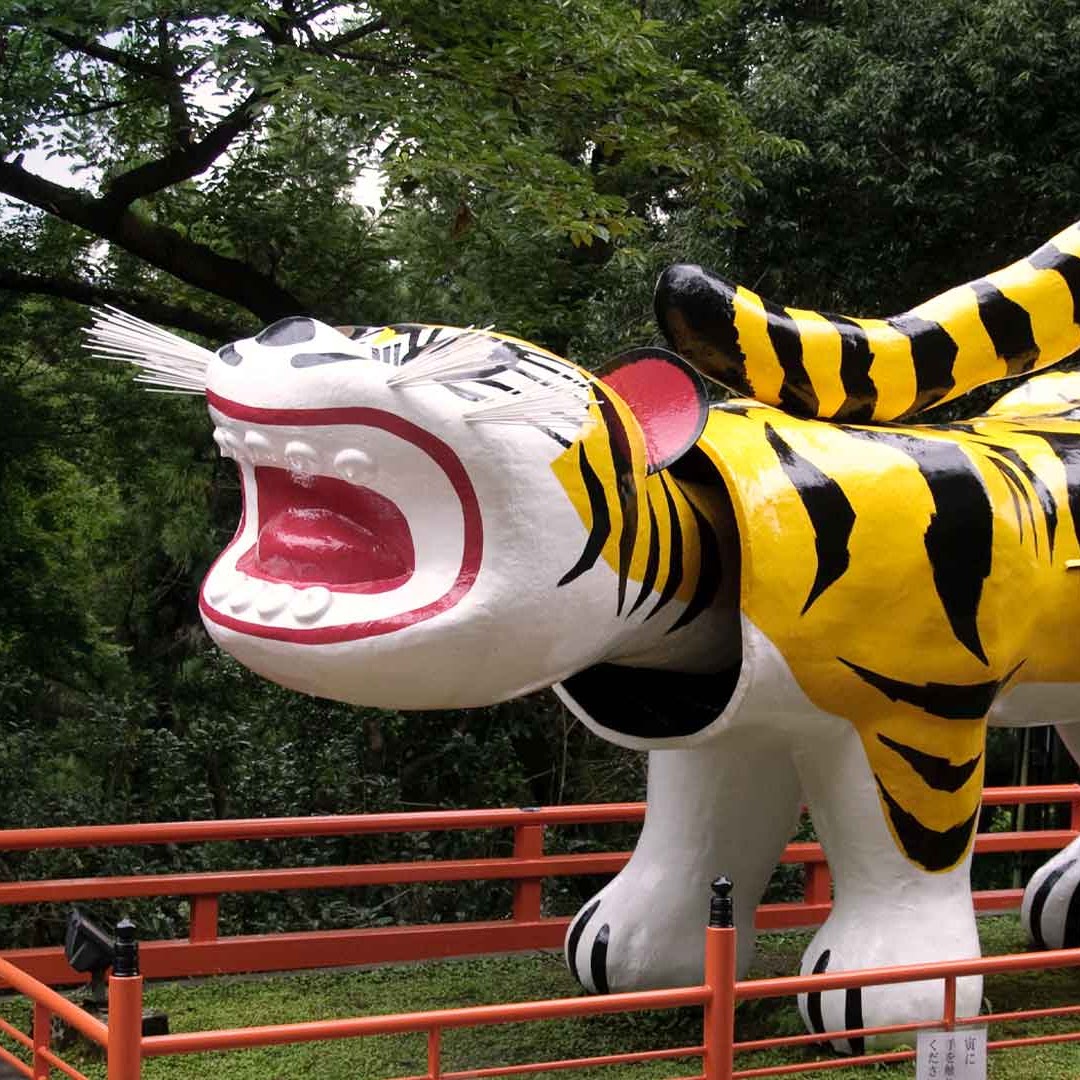
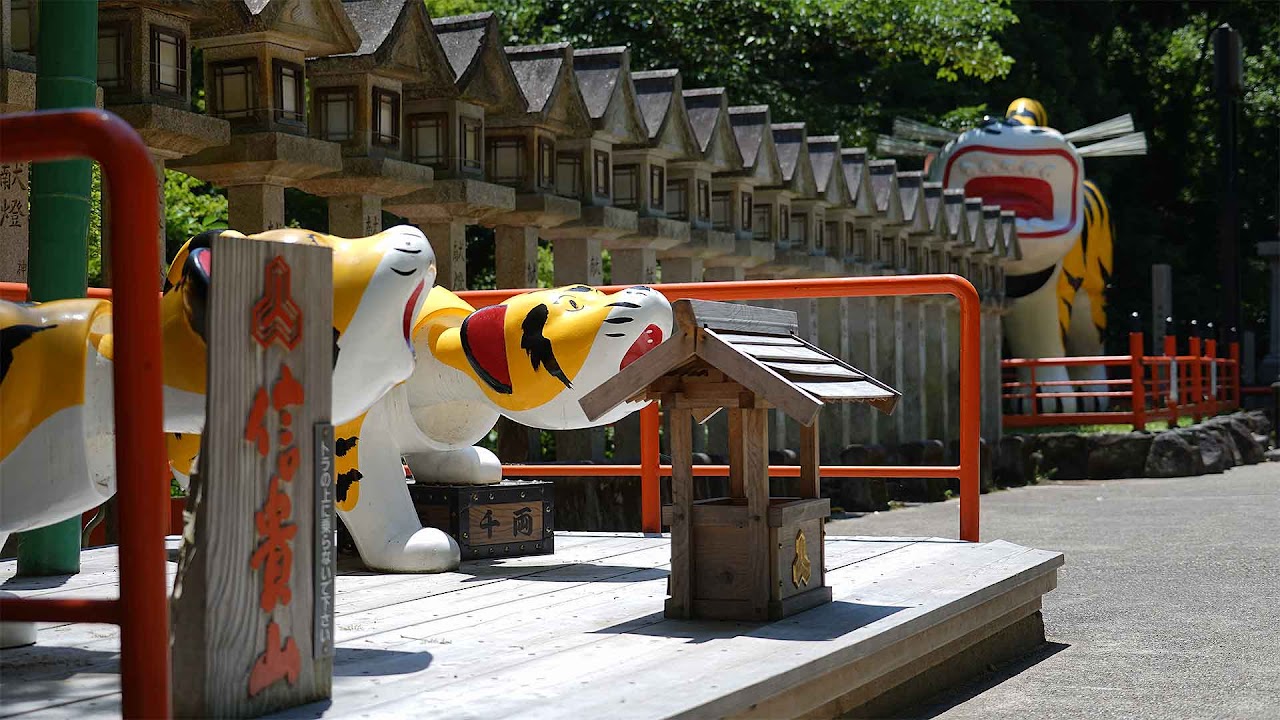
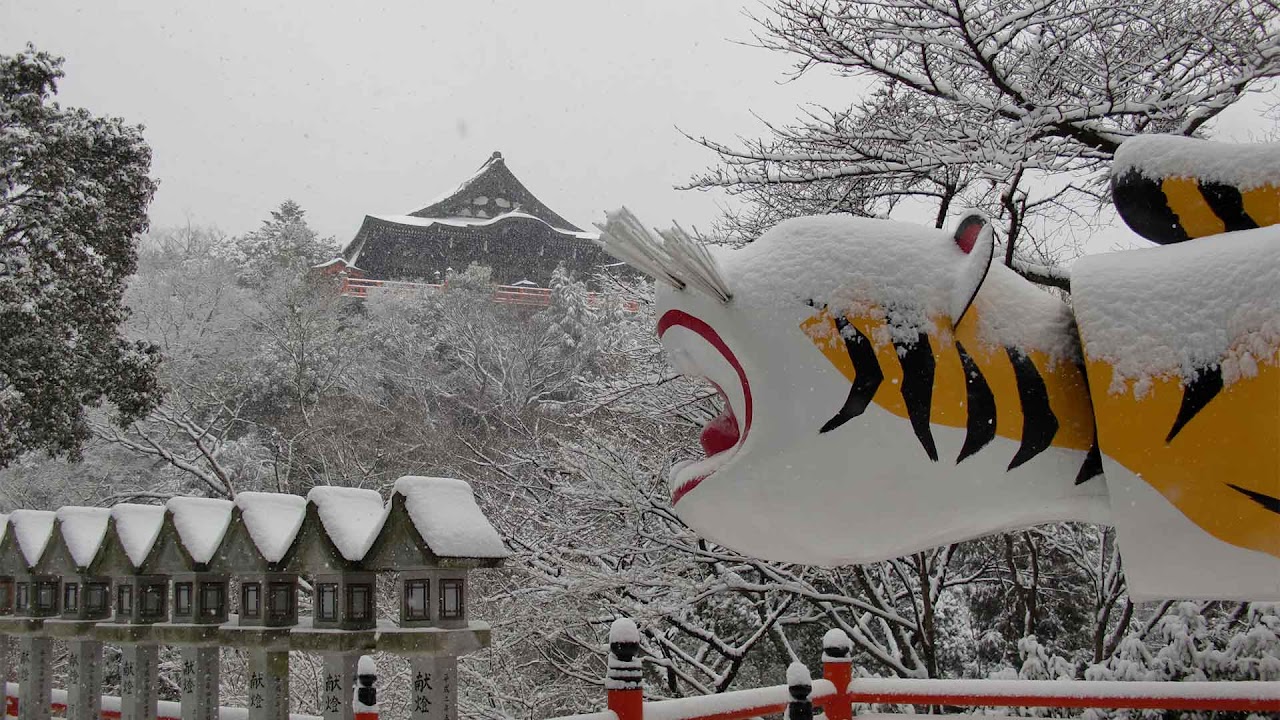
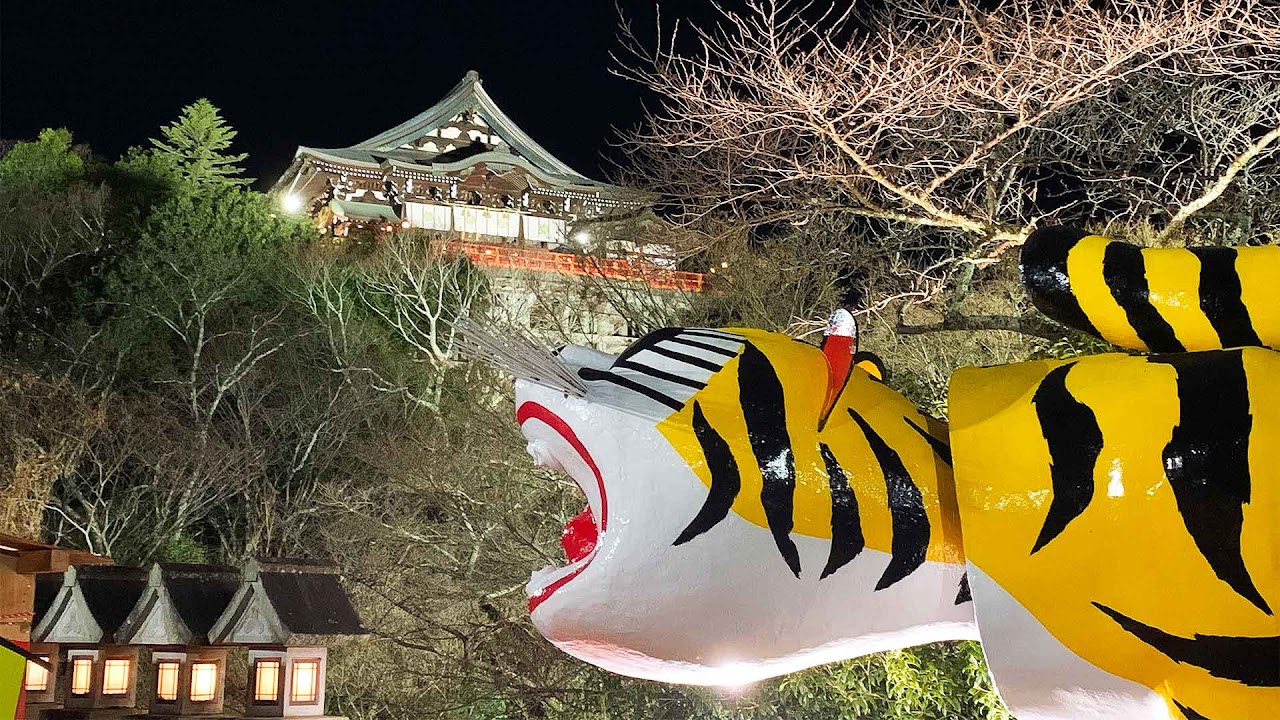
At the entrance to Mt. Shigi, visitors are greeted by the magnificent papier-mache tiger known as the "World's Greatest Lucky Tiger." Because Prince Shotoku's divine encounter with Bishamonten occurred in the Year, Month, and Hour of the Tiger, the tiger has become the enduring symbol of Mt. Shigi.
The Blessing of the Three Tigers
Once every twelve years, the Year of the Tiger, the Month of the Tiger, and the Hour of the Tiger align -- recreating the exact moment when Prince Shotoku received Bishamonten's divine revelation. This convergence, known as the "Blessing of the Three Tigers," is believed to bestow especially profound blessings, drawing great numbers of pilgrims to the temple.
The Main Hall
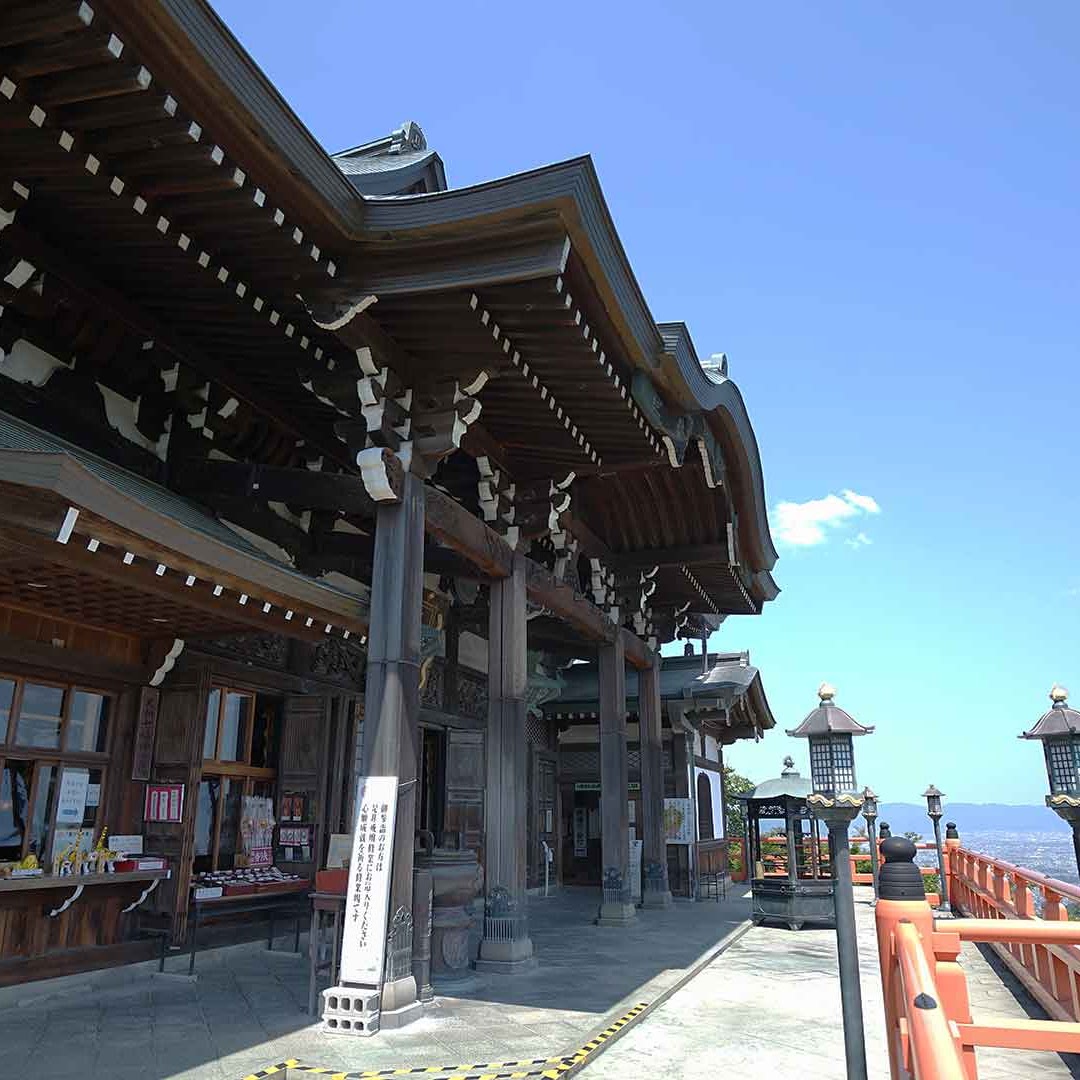
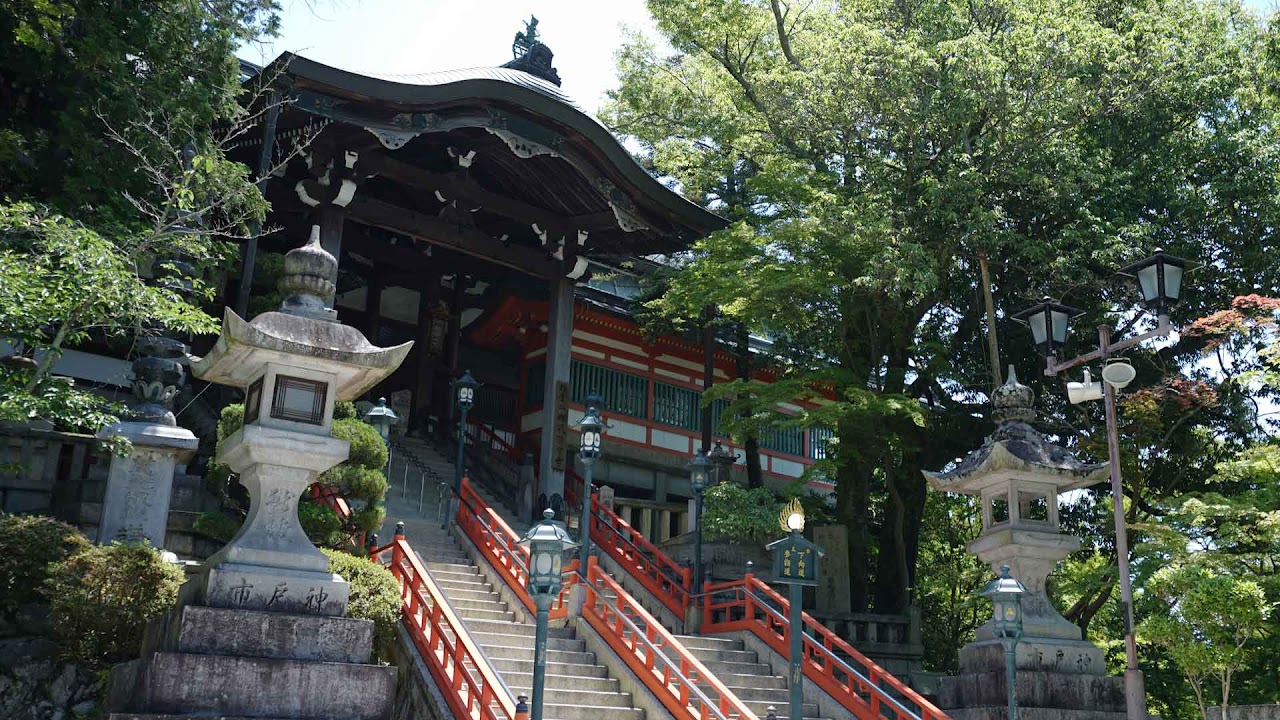
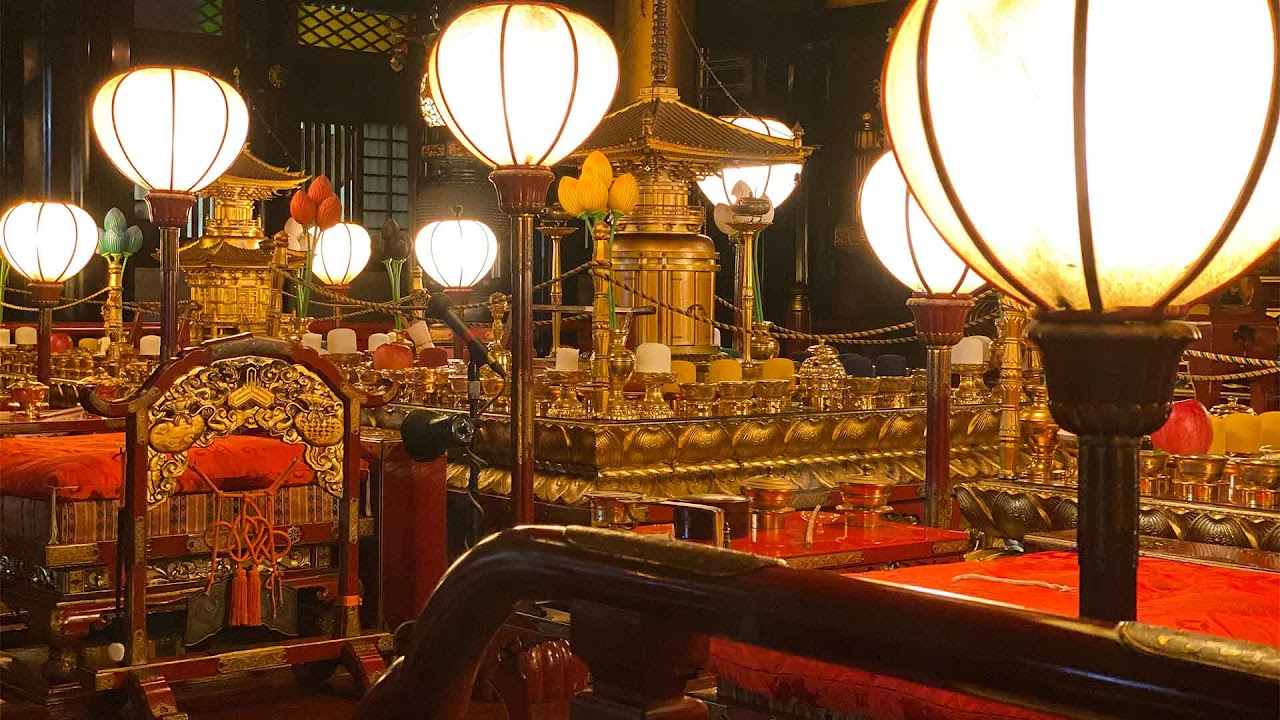
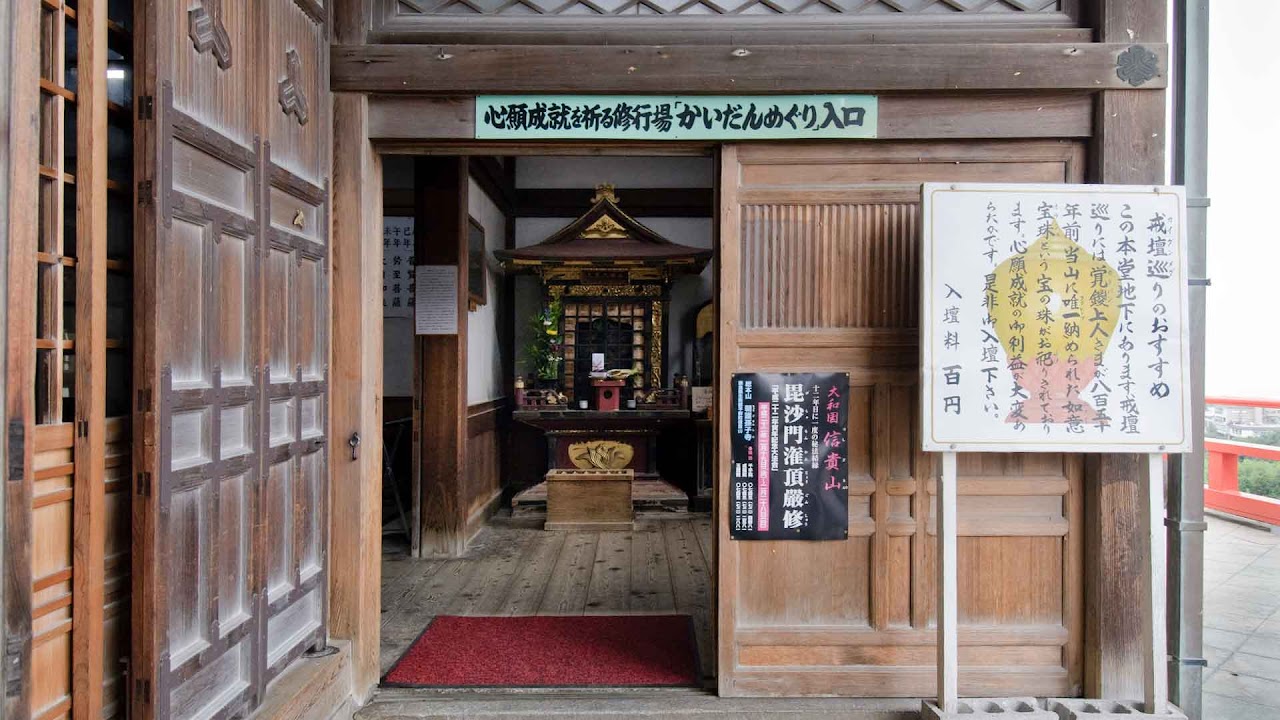
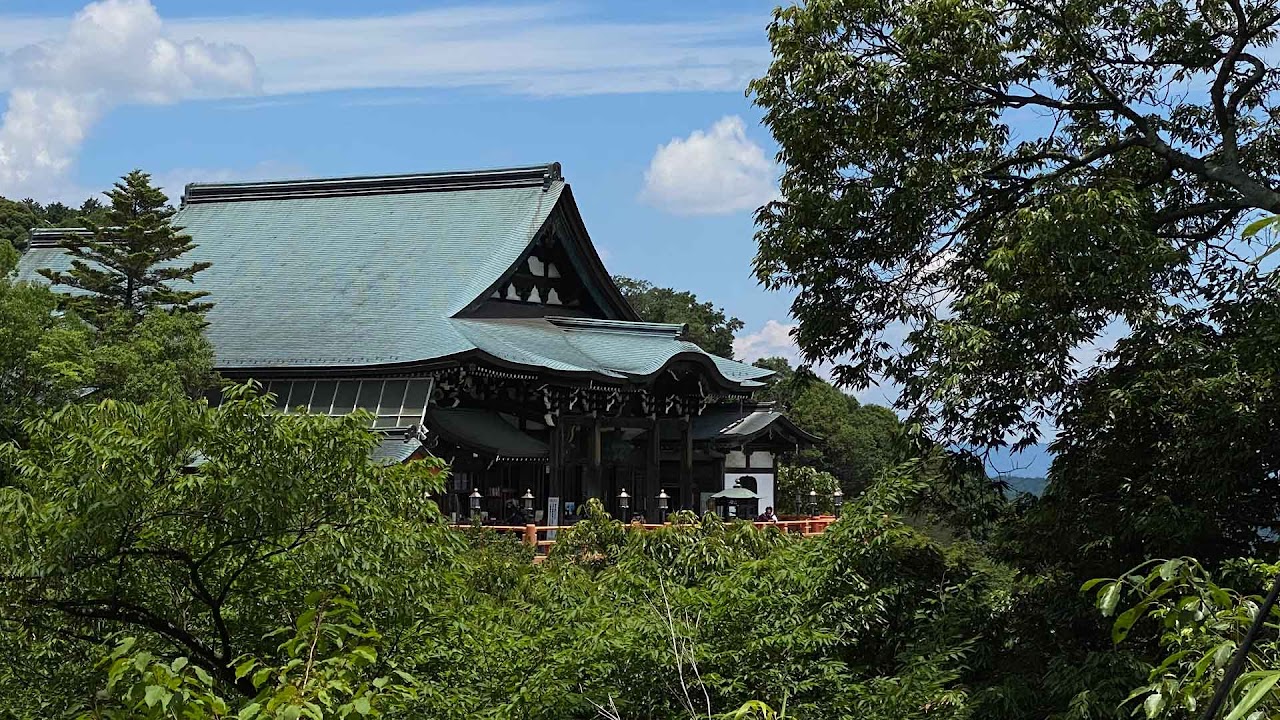
The Main Hall traces its origins to the very hall that Prince Shotoku built to enshrine the statue of Bishamonten he carved with his own hands. Over the centuries, it was destroyed by the fires of Oda Nobunaga's forces during the Warring States period and later rebuilt by Toyotomi Hideyori.
With its vermilion balustrades and pillars extending down the mountainside, the butai-zukuri (stage-style) architecture preserves the spirit of the original structure. After the former Main Hall was tragically lost to fire in 1951, the present hall was rebuilt in 1958.
Panoramic View from the Stage
Often called the "Nikko of Kansai," the Main Hall's stage offers a sweeping panorama of the Yamato Plain. Evening visits are also welcome (illuminated until 10:00 PM), allowing you to enjoy the magnificent night views.
The Kaidan Pilgrimage
The Kaidan pilgrimage guides visitors through a darkened corridor beneath the Main Hall. It is said that touching the sacred wish-fulfilling jewel in the darkness will bring the realization of one's heartfelt prayers.
The Twenty-Eight Attendants
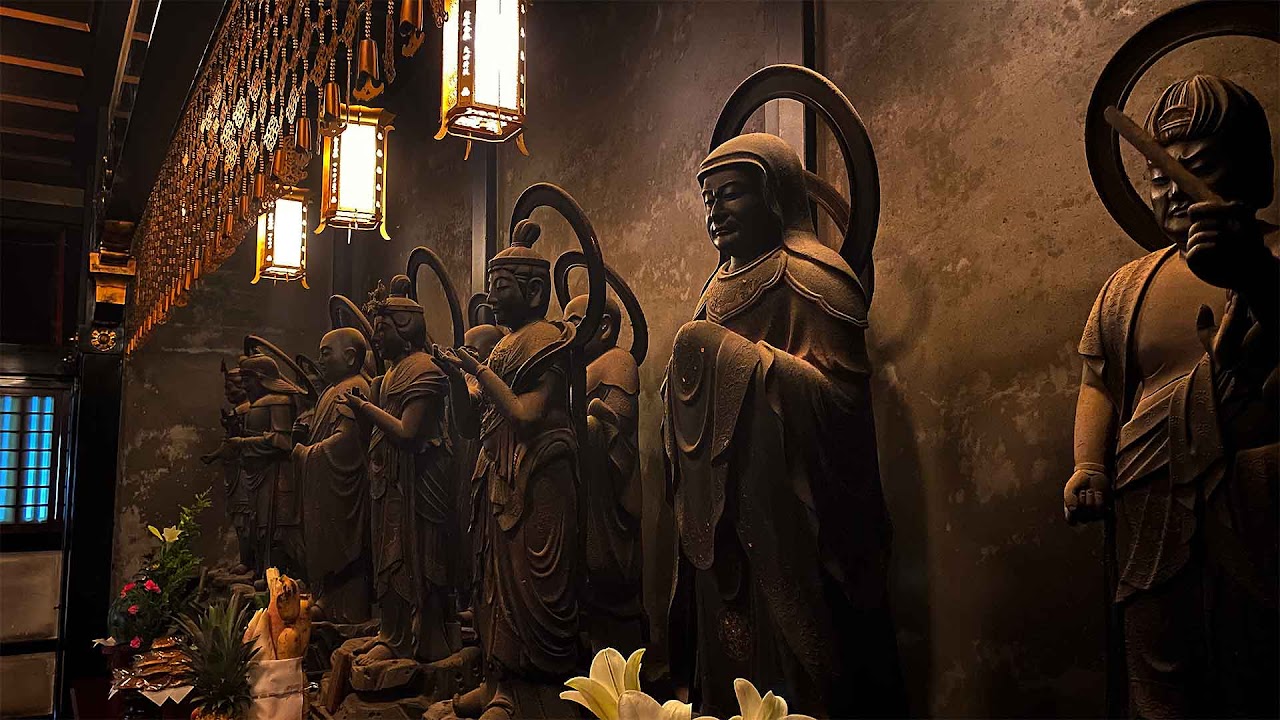
Enshrined within the Main Hall are the twenty-eight divine attendants who serve Bishamonten. These steadfast guardians fulfill the diverse prayers and wishes of all who seek their protection.
Bishamonten
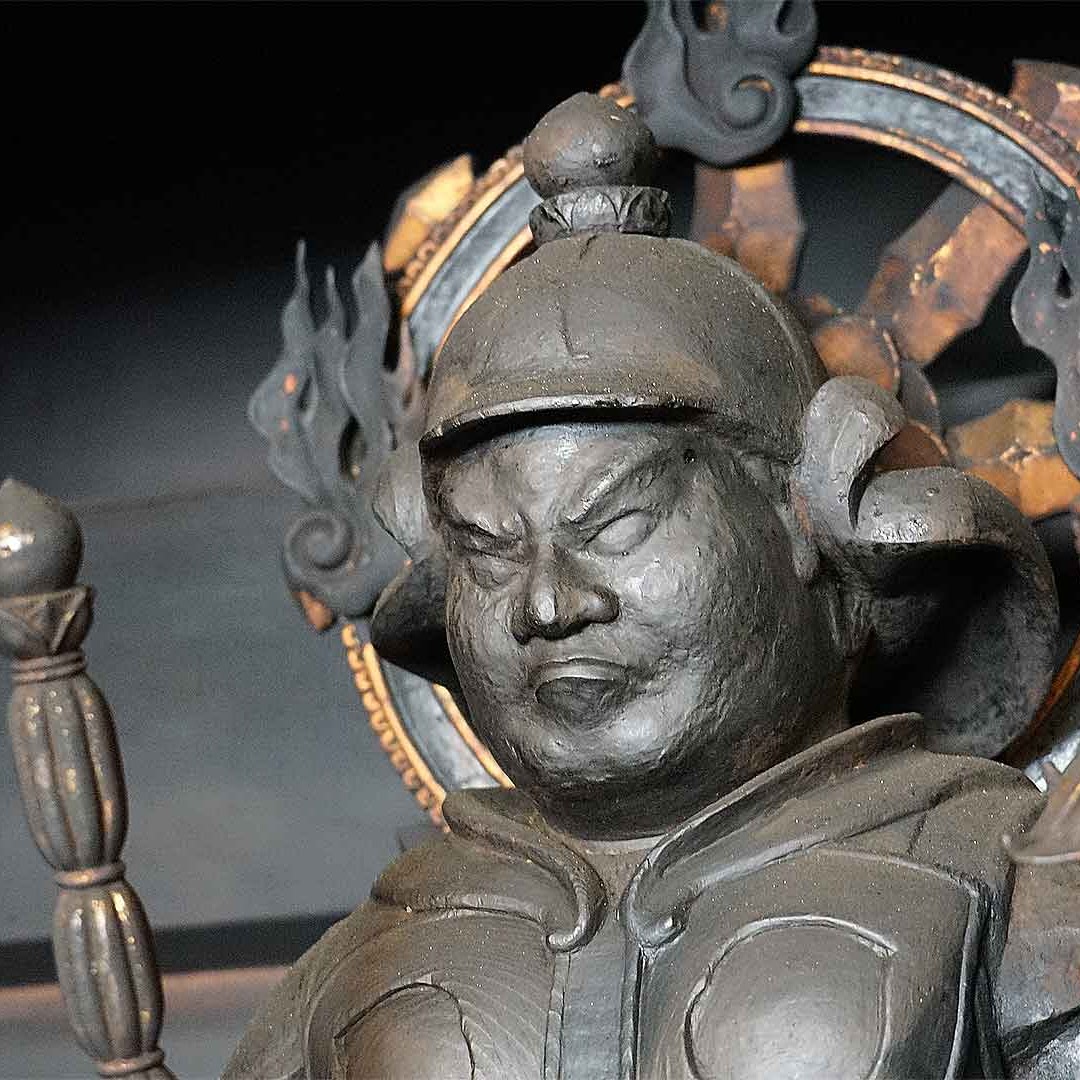
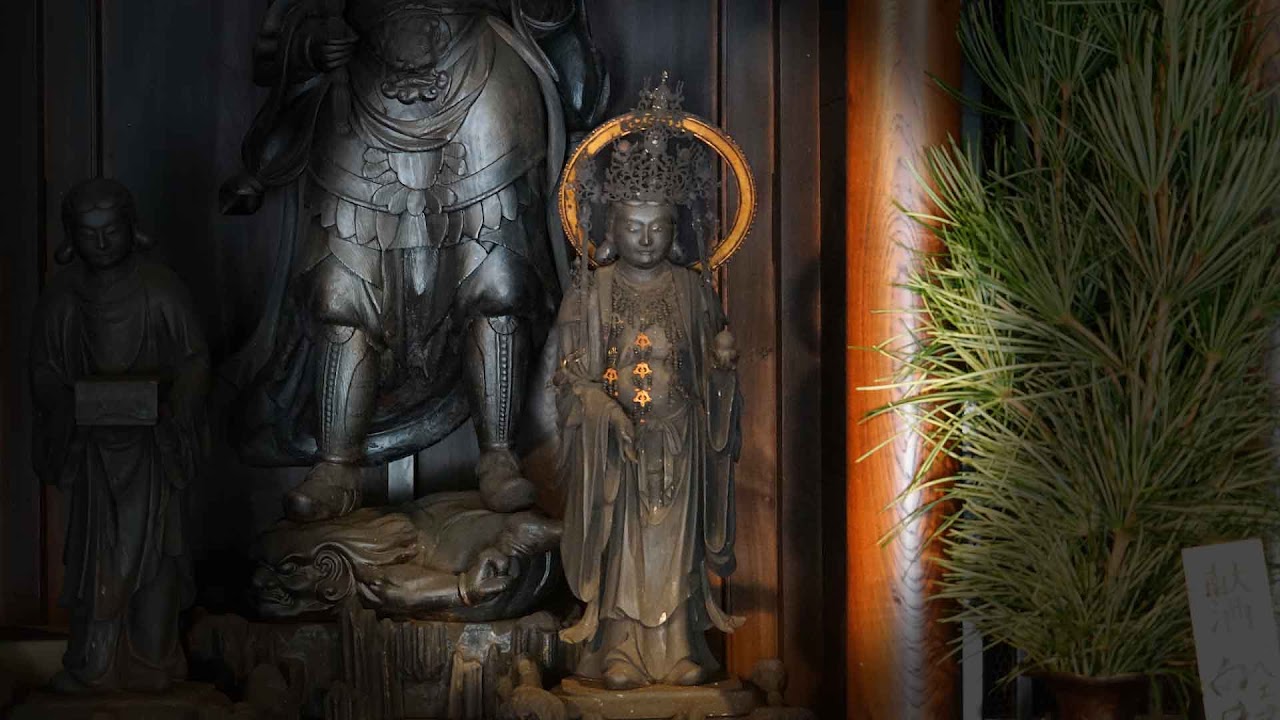
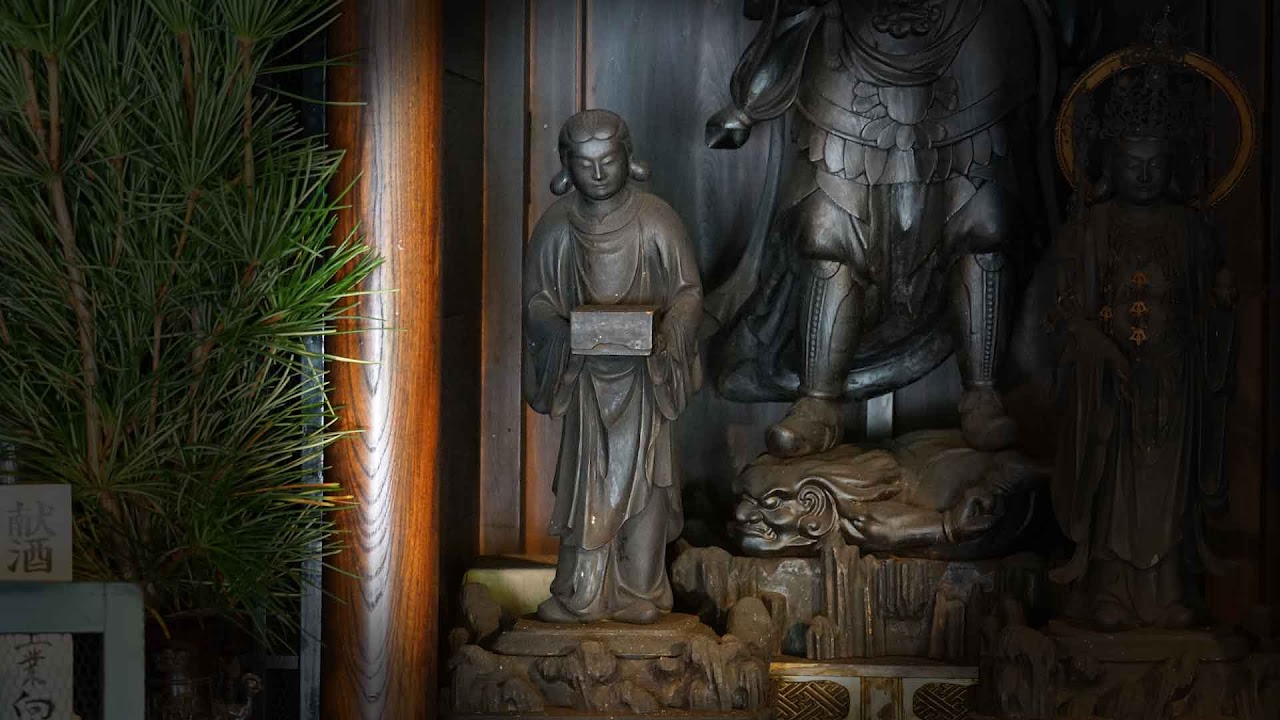
Bishamonten is the foremost of the Four Heavenly Kings, guardian of the Buddhist realm and protector of the north at Mount Sumeru. In essence, he is one with Dainichi Nyorai, the cosmic Buddha, having manifested in this form to guide and deliver all sentient beings from suffering.
The name "Bishamon" means "the one who hears all without fail," and he is thus also known as Tamonten (the Heavenly King Who Hears All). Revered not only as a deity of martial prowess but also as a guardian of wealth, fortune, and spiritual practice, Bishamonten has been the object of deep devotion since ancient times.
The Sacred Form of Bishamonten
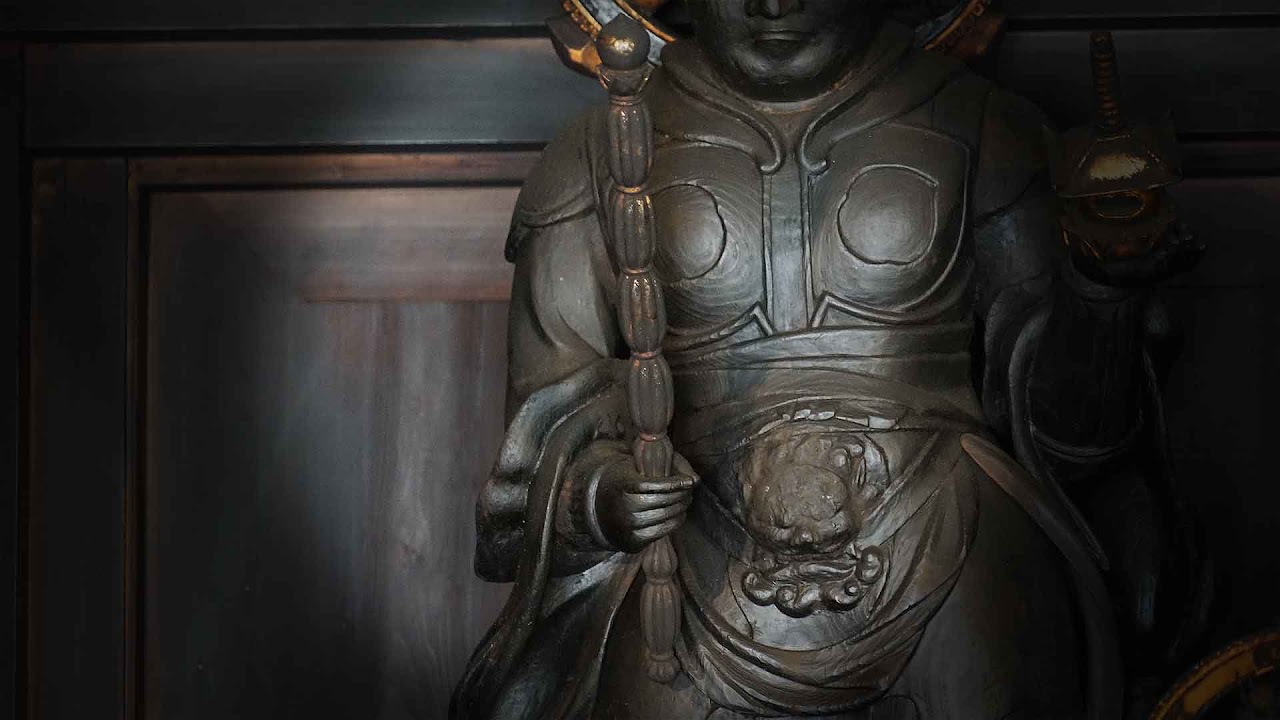 Right Hand
Nyoi-ho (Wish-Granting Staff)
Right Hand
Nyoi-ho (Wish-Granting Staff)
With compassionate heart, it dispels evil thoughts and guides all toward virtue
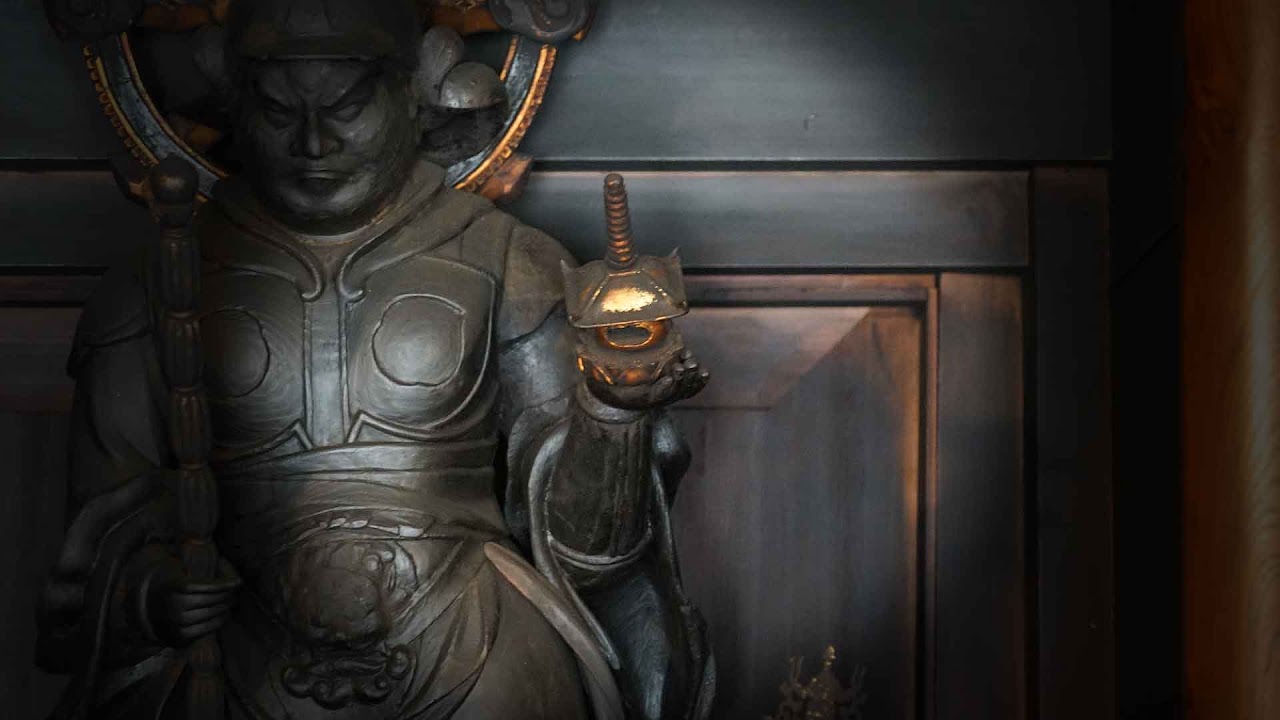 Left Hand
Hoto (Treasure Pagoda)
Left Hand
Hoto (Treasure Pagoda)
Contains all the sacred sutras, symbolizing the world of truth of Dainichi Nyorai
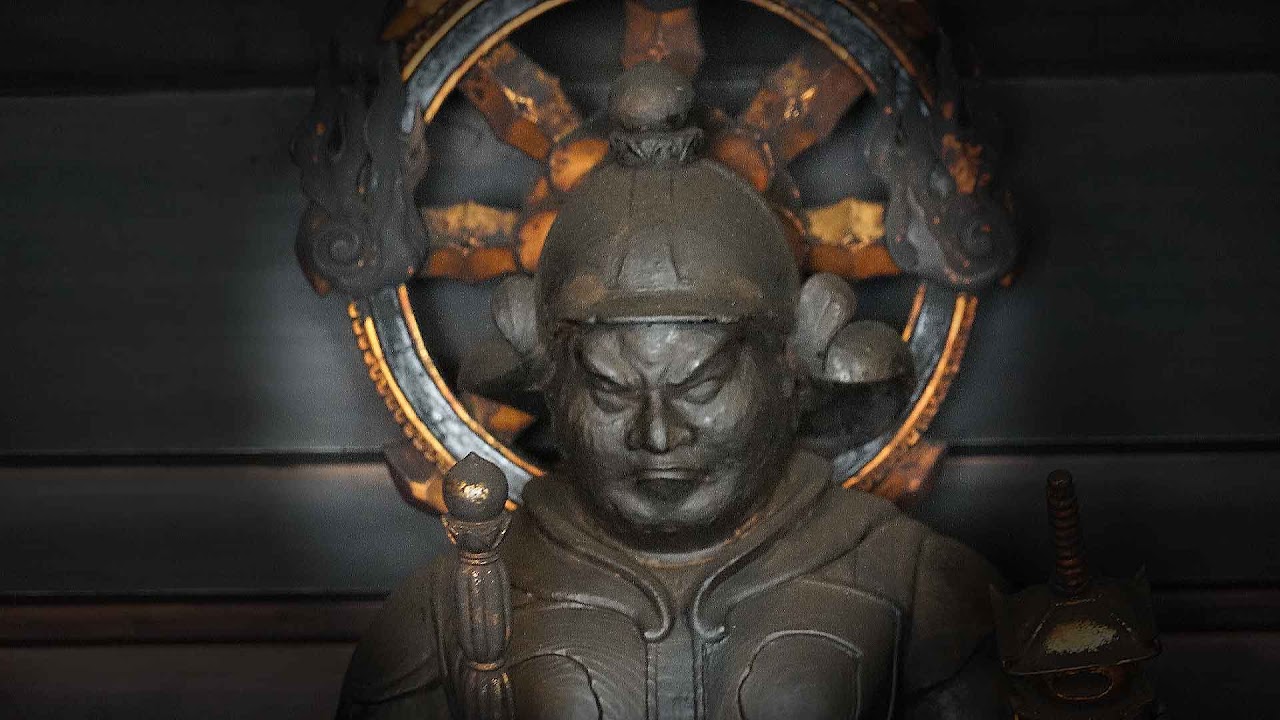 Head
Helm of Forbearance
Head
Helm of Forbearance
Represents the strength of spirit to endure adversity without anger
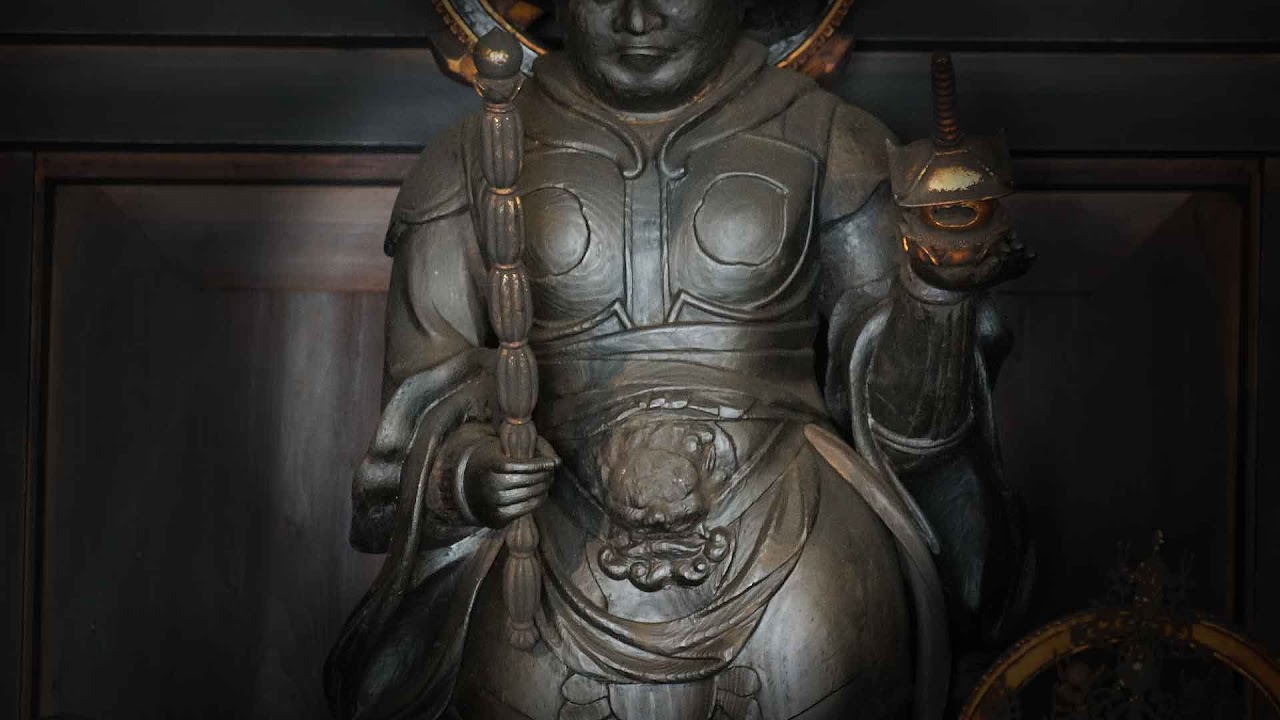 Torso
Armor of Great Compassion
Torso
Armor of Great Compassion
Through the boundless power of compassion, it subdues all forces of evil
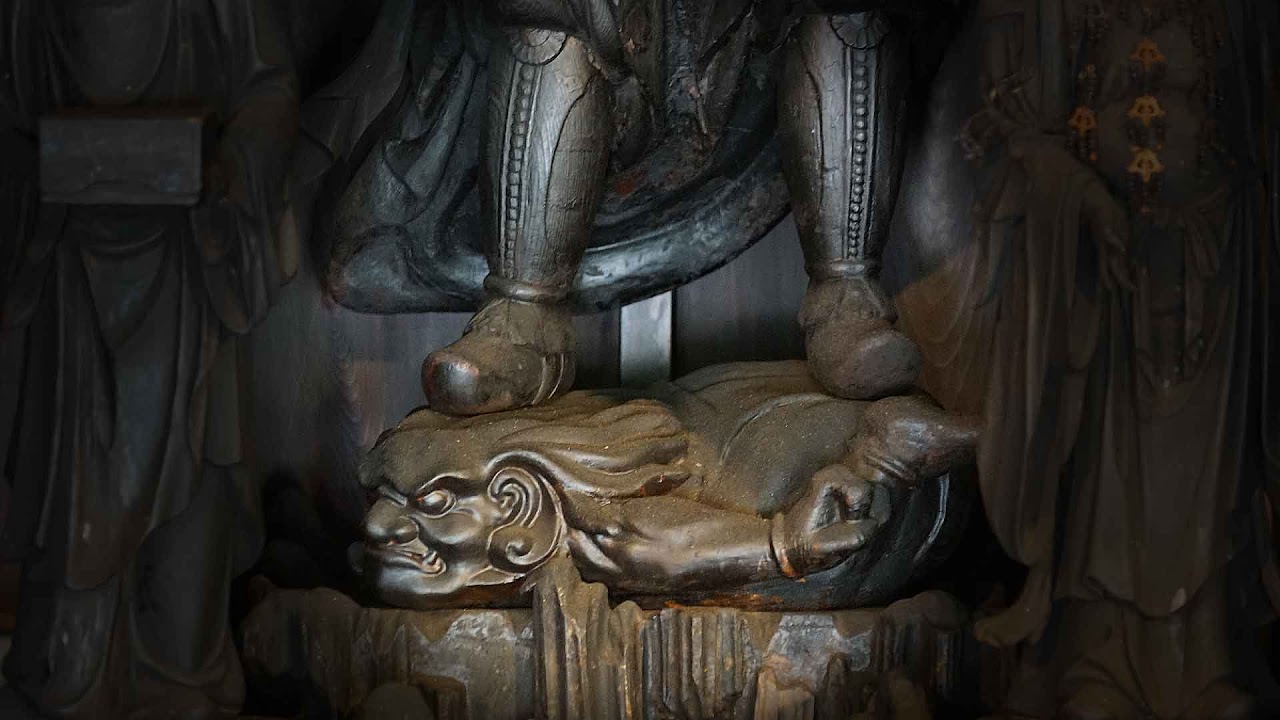 Feet
Ranba and Biranba
Feet
Ranba and Biranba
Demons trampled underfoot, banishing all evil
Kisshoten and Zennishi Doji
At Mt. Shigi, Bishamonten is enshrined as a sacred triad together with his consort Kisshoten (Goddess of Fortune) and their son Zennishi Doji. Through their divine presence, they teach us that harmony within the family is the very foundation of human happiness.
Sacred Mantra Om Vaishramanaya Svaha
Please recite this mantra until your heart finds peace. It is considered especially efficacious for matters of competition and for the blessings of wealth and fortune.
Historical Devotees of Bishamonten
Temple Highlights
The expansive grounds of Chogosonshiji Temple are replete with sites of profound history and spiritual significance.
We invite you to take your time exploring the many treasures of Mt. Shigi.
Kuhachi Goho-do Hall
Fulfillment of a Single Wish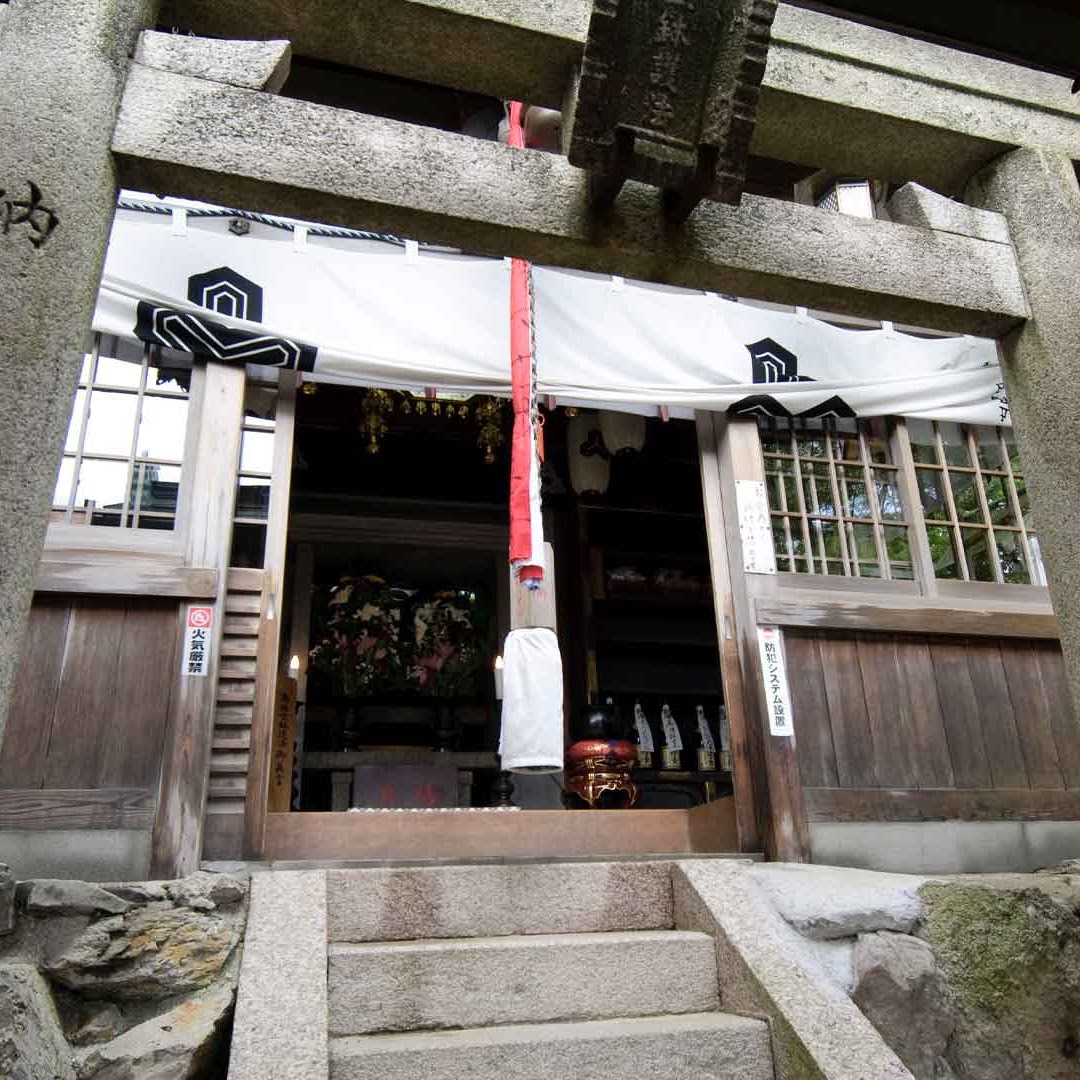
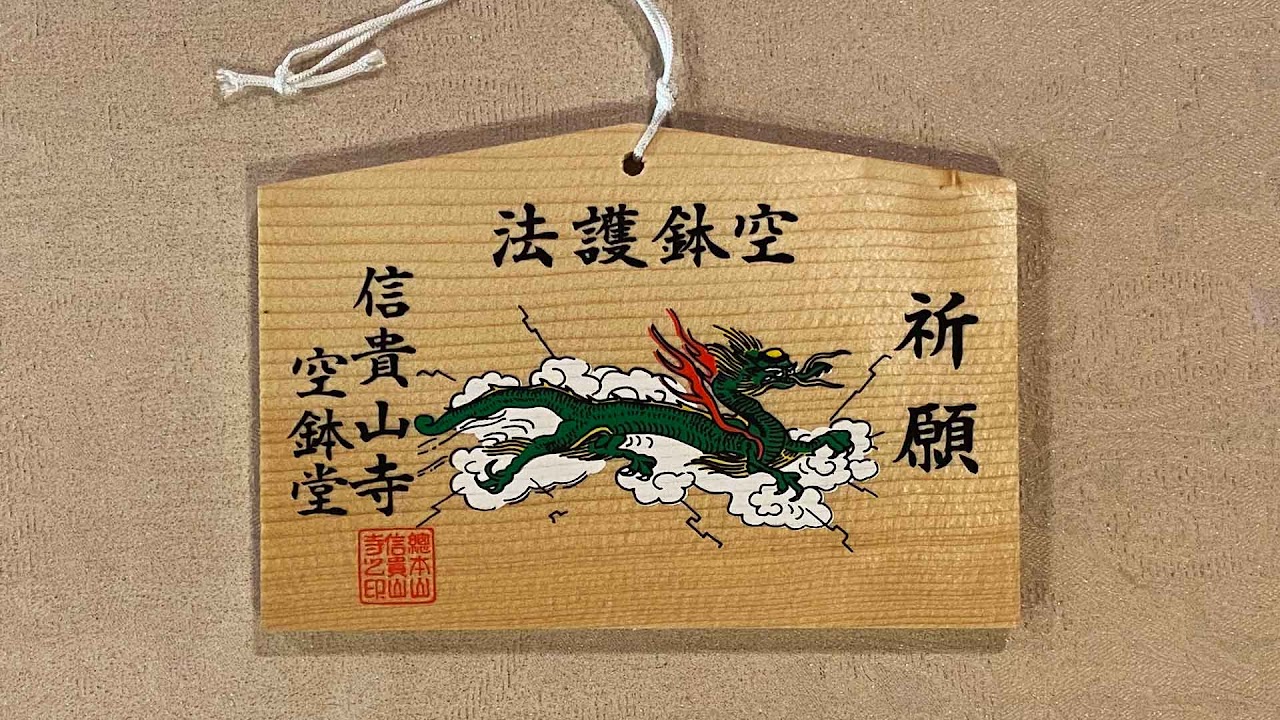
This hall enshrines Nanda, chief of the Eight Great Dragon Kings and a divine attendant of Bishamonten. It is renowned for the blessing of ichigan-joju (the fulfillment of a single wish) -- visitors who decide upon one heartfelt wish and pray with sincerity are said to have their prayer granted.
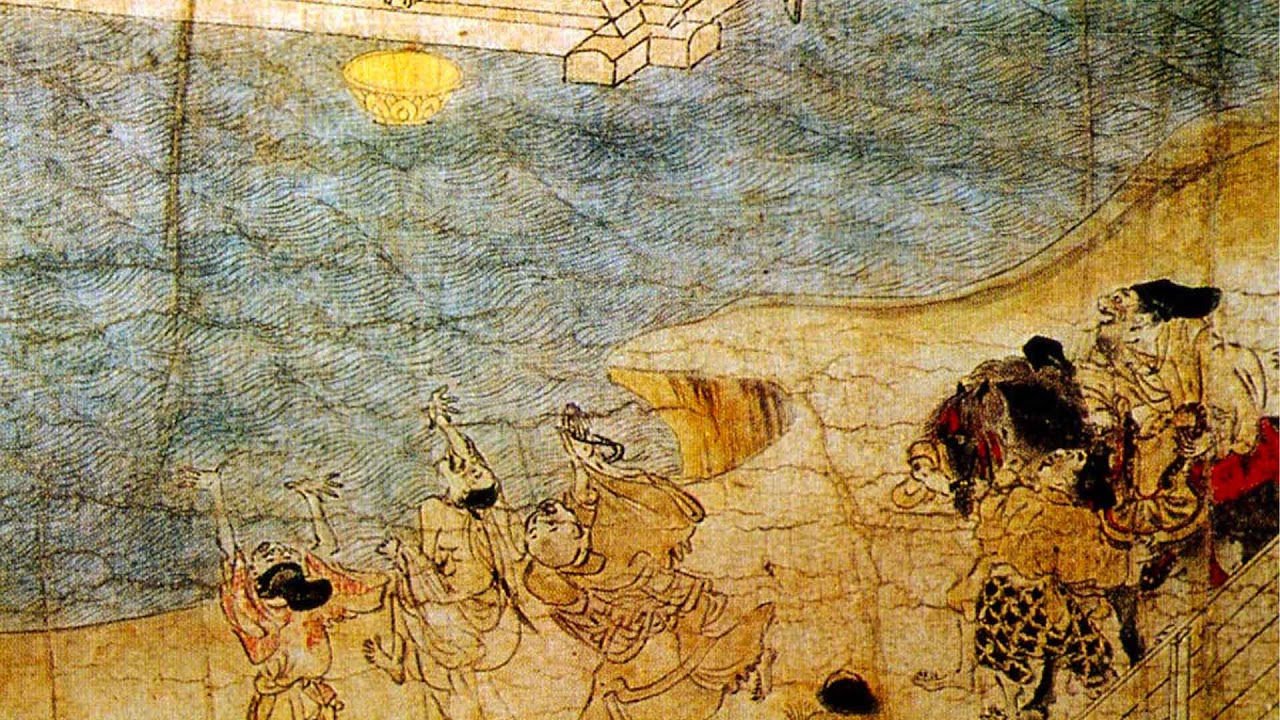
The "Flying Storehouse" scroll of the National Treasure "Shigisan Engi Emaki" depicts the miraculous tale of the monk Myoren sending a rice storehouse flying through the air on his alms bowl, which is the origin of the Kuhachi Goho tradition.
Situated at the summit of Mt. Shigi, the hall is reached by a mountain path of approximately 700 meters. Along the route stand rows of vermilion torii gates, and from the summit one is rewarded with a breathtaking panorama encompassing both the Kawachi and Yamato plains.
Kaizando (Founder's Hall)
Shikoku 88 Temples Sand Pilgrimage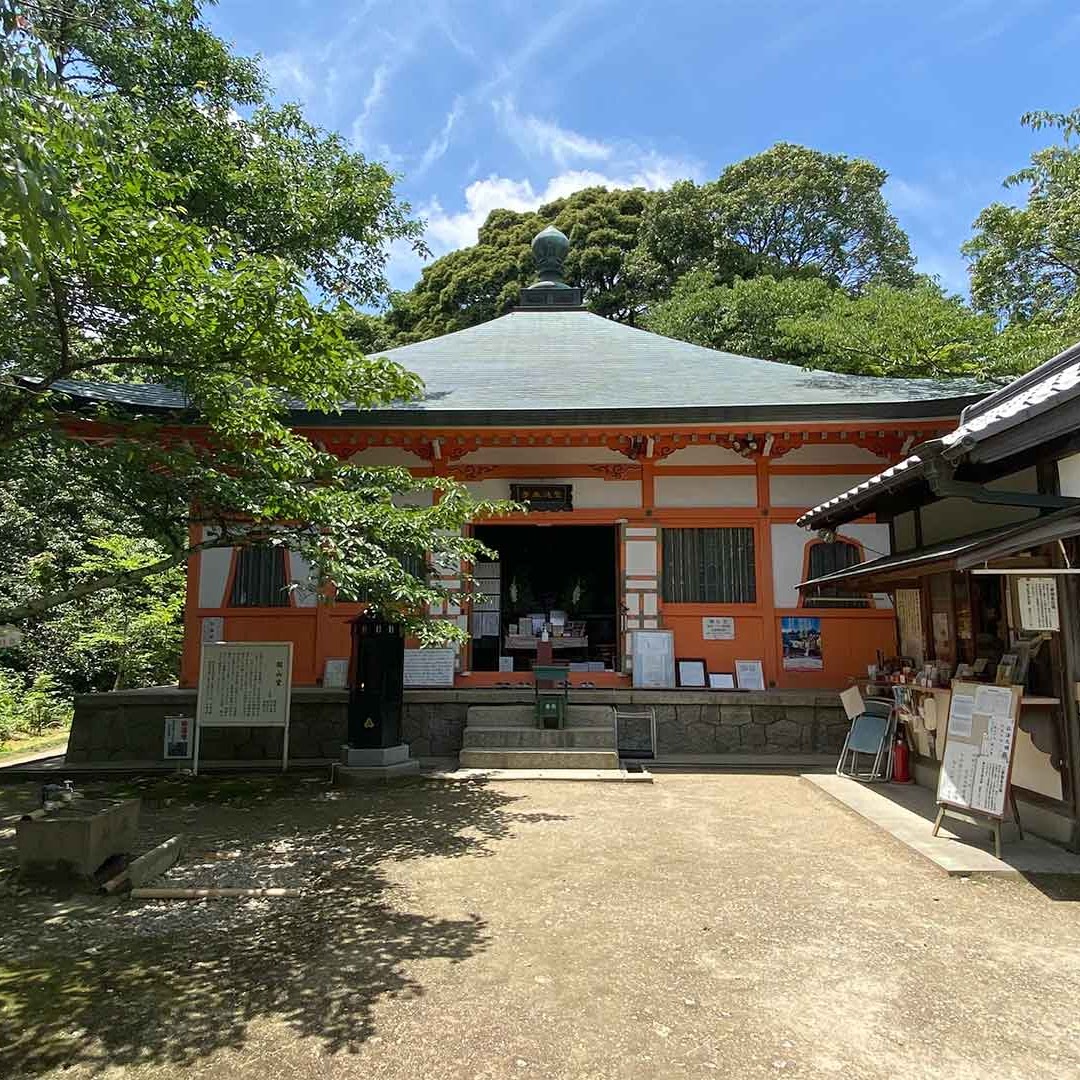
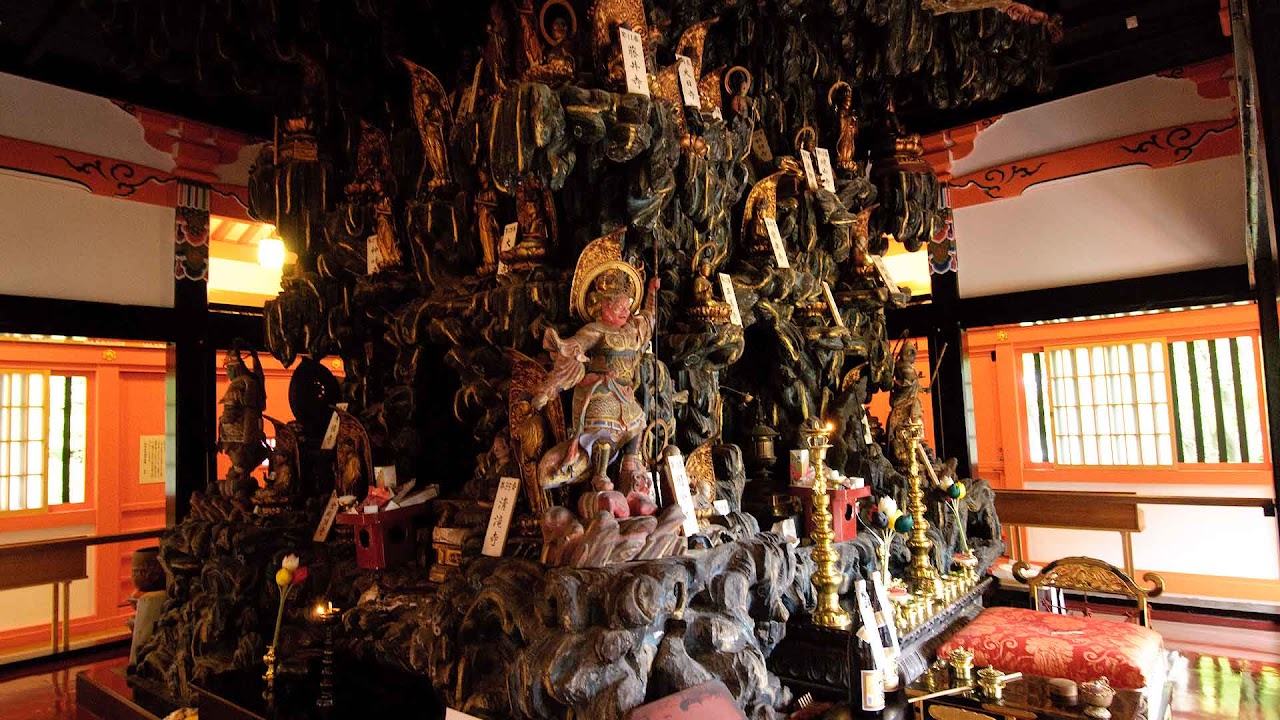
Built in 1722 (Kyoho 17), this hall enshrines the founders of Mt. Shigi: Prince Shotoku, Kobo Daishi (the patriarch of the Shingon school), and the monks Myoren and Kanzan who revived the temple.
Within the hall are enshrined the principal deities of all 88 temples of the Shikoku pilgrimage, with sacred sand from each temple laid before them. By completing the sand-stepping pilgrimage, one receives merit equivalent to the full Shikoku circuit. We invite you to experience this purifying spiritual encounter.
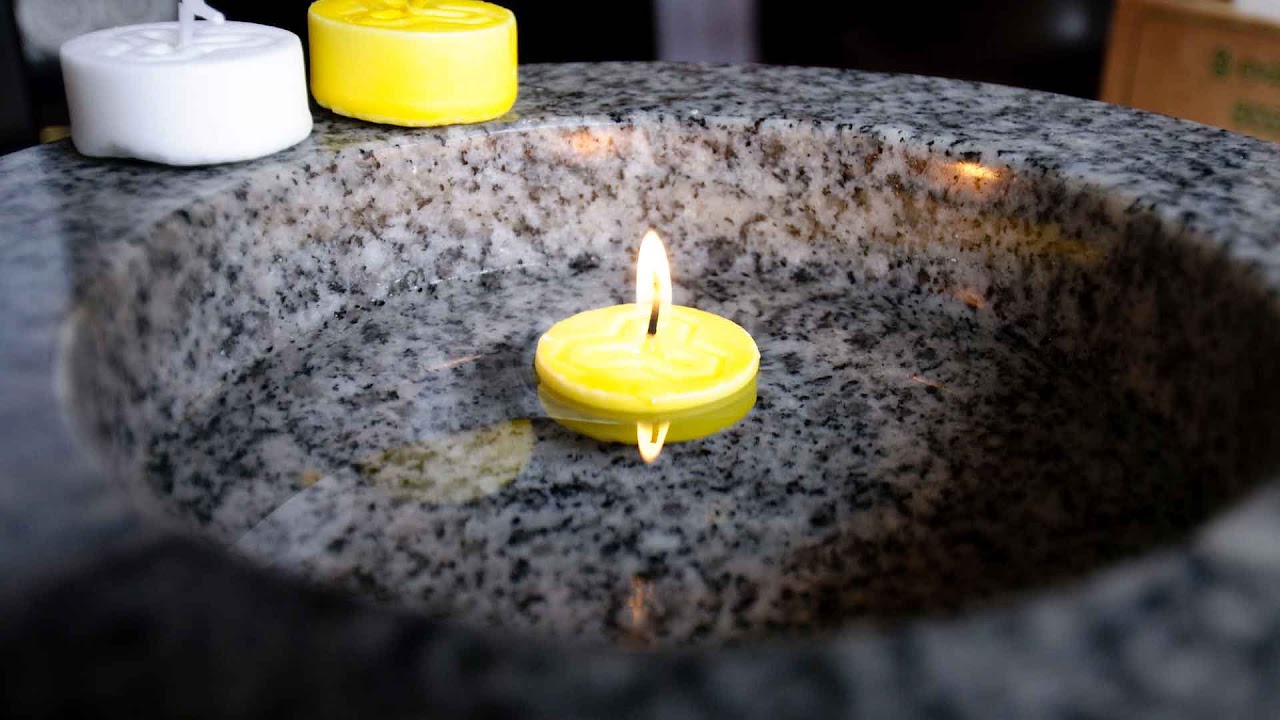
Protective candles are also available. White candles are for prayers of protection (warding off misfortune, recovery from illness, traffic safety, and similar blessings). Yellow candles are for prayers of increase (good fortune, academic success, business prosperity, and similar blessings).
Reihokan (Treasury Hall)
National Treasure: Shigisan Engi Emaki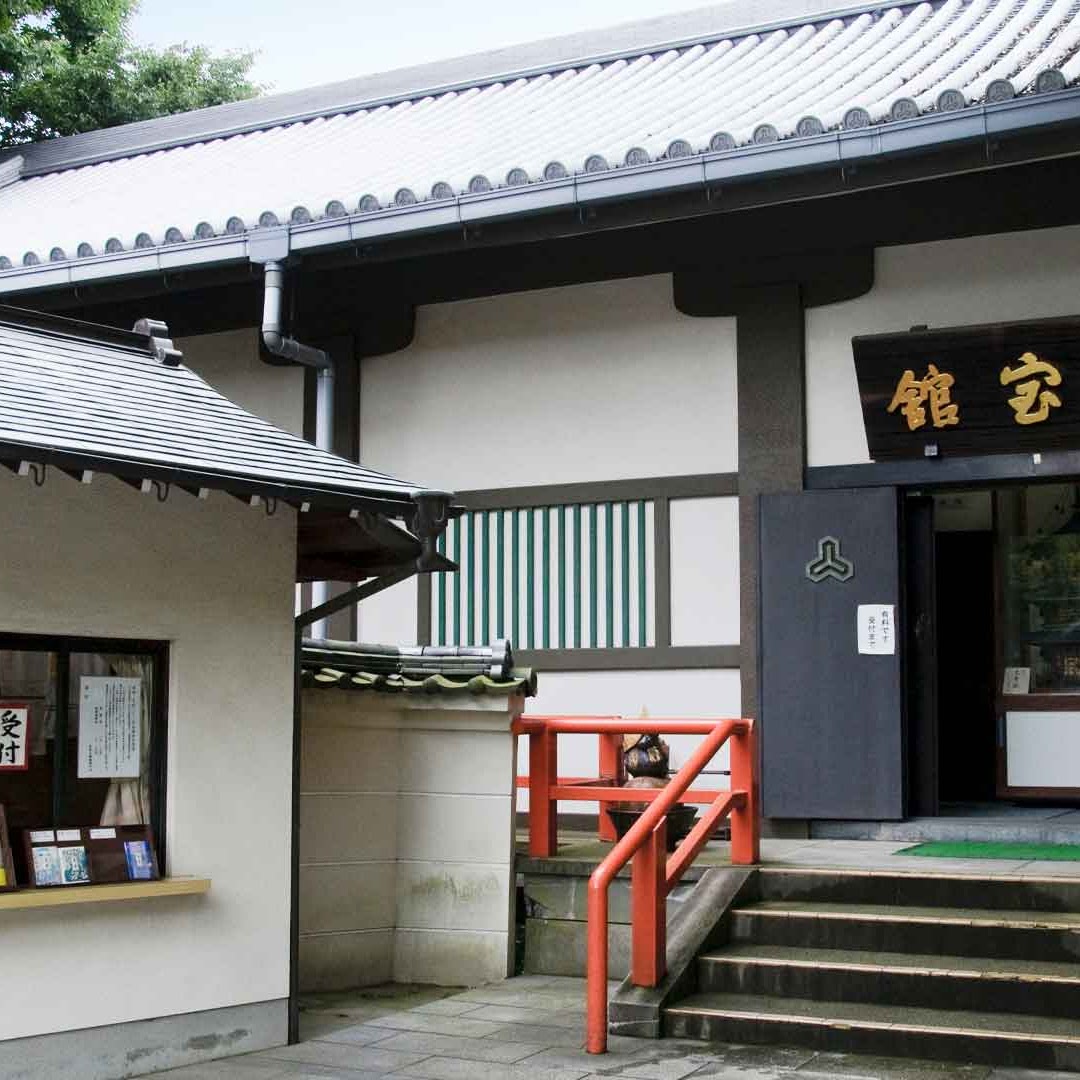
This museum houses the temple's most precious treasures, including the National Treasure "Shigisan Engi Emaki," the nationally designated Important Cultural Property "Helmet and Armor Sleeves of Kusunoki Masashige," and the Heguri Town Cultural Property "Kikusui Battle Banner."
National Treasure: "Shigisan Engi Emaki"
Ranked among Japan's Four Great Illustrated Scrolls alongside the "Tale of Genji Scrolls," "Choju Giga" (Frolicking Animals), and the "Ban Dainagon Ekotoba," this masterwork depicts in three volumes the miraculous story of the monk Myoren's devotion to Bishamonten on Mt. Shigi.
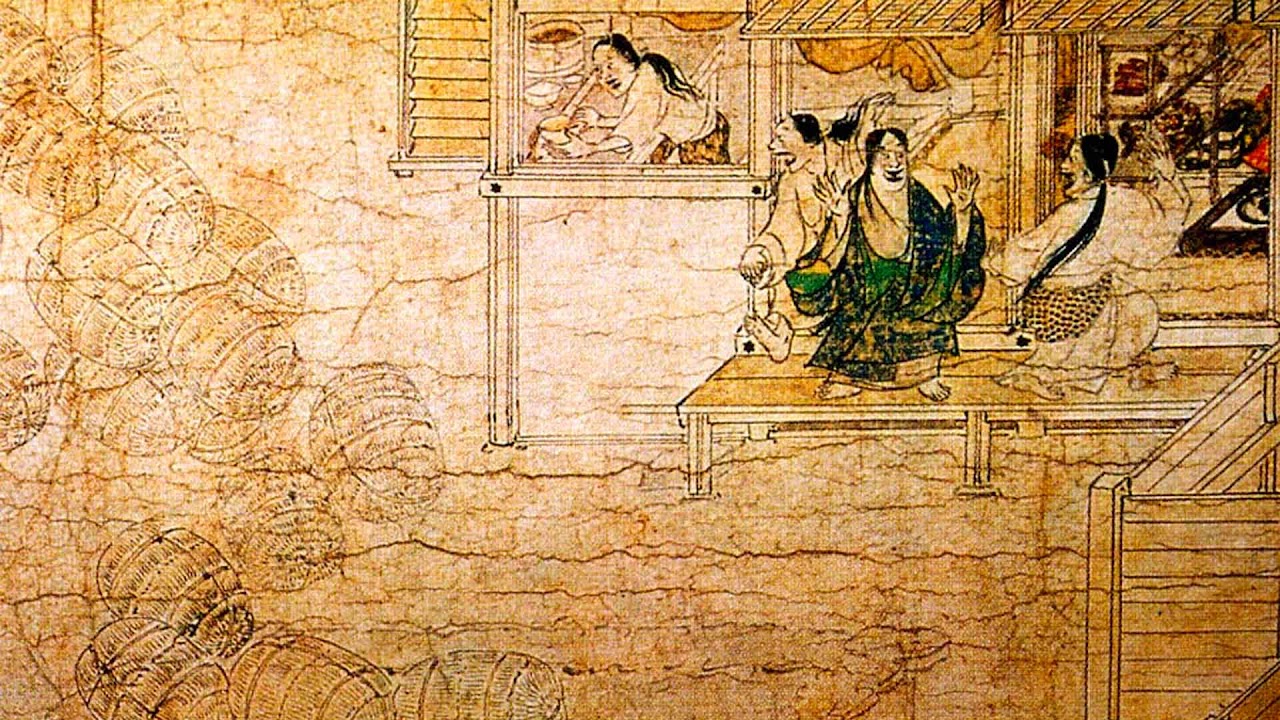 Volume I: "The Flying Storehouse"
Depicts the extraordinary spiritual power of the monk Myoren, who sent a rice storehouse flying through the air upon his alms bowl
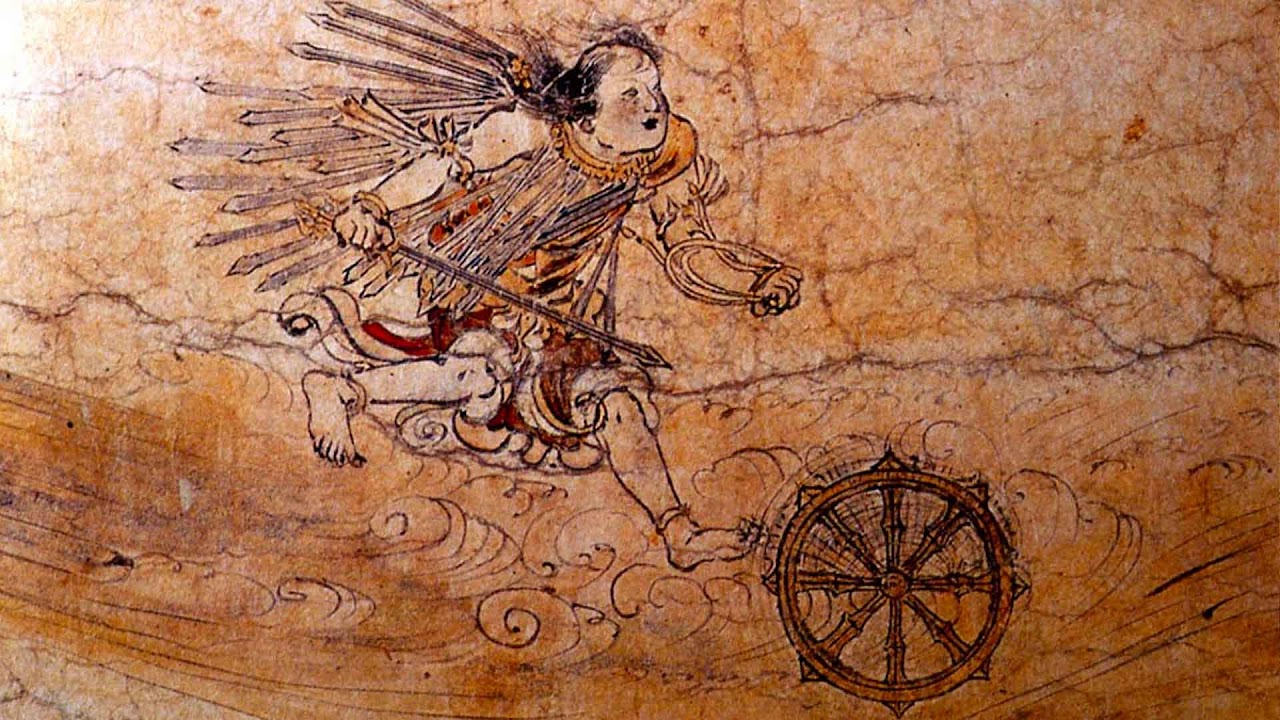 Volume II: "The Engi Healing"
Depicts the monk Myoren's healing of the ailing Emperor Daigo through the power of esoteric prayer
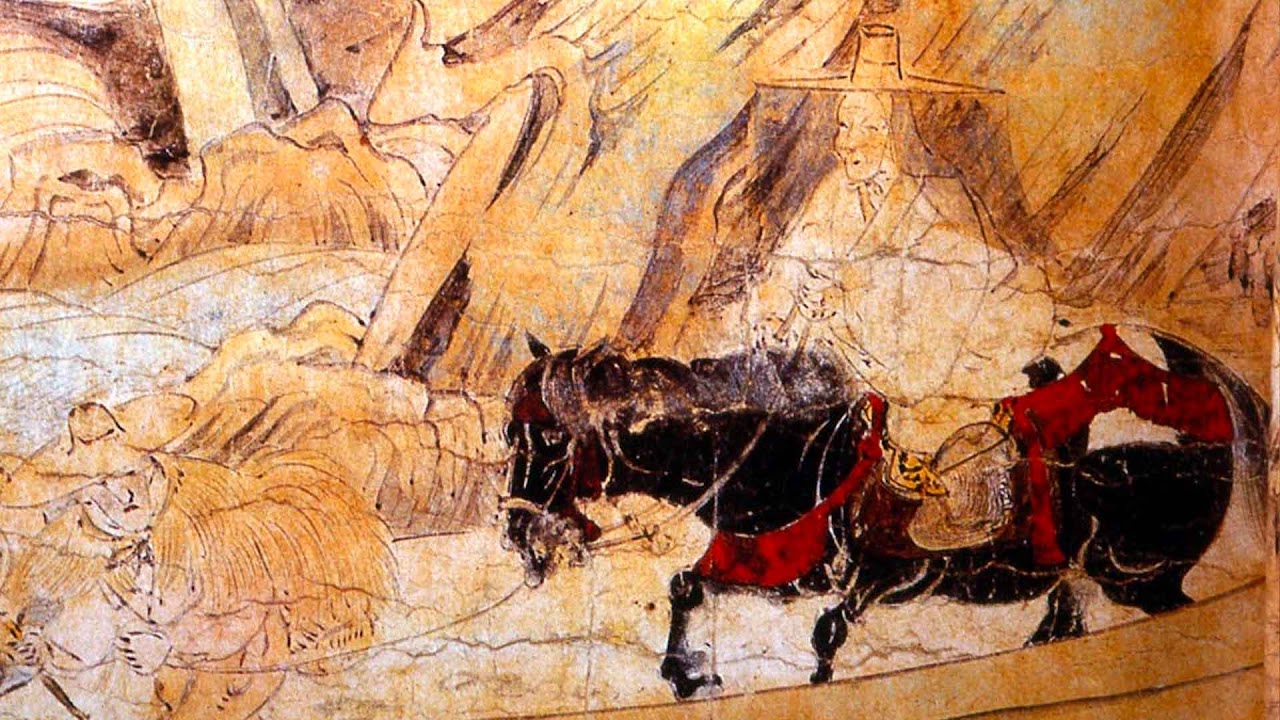 Volume III: "The Nun"
Depicts the reunion of the nun with her younger brother Myoren and their continued practice together
Kengai Goho-do Hall
Healing from Illness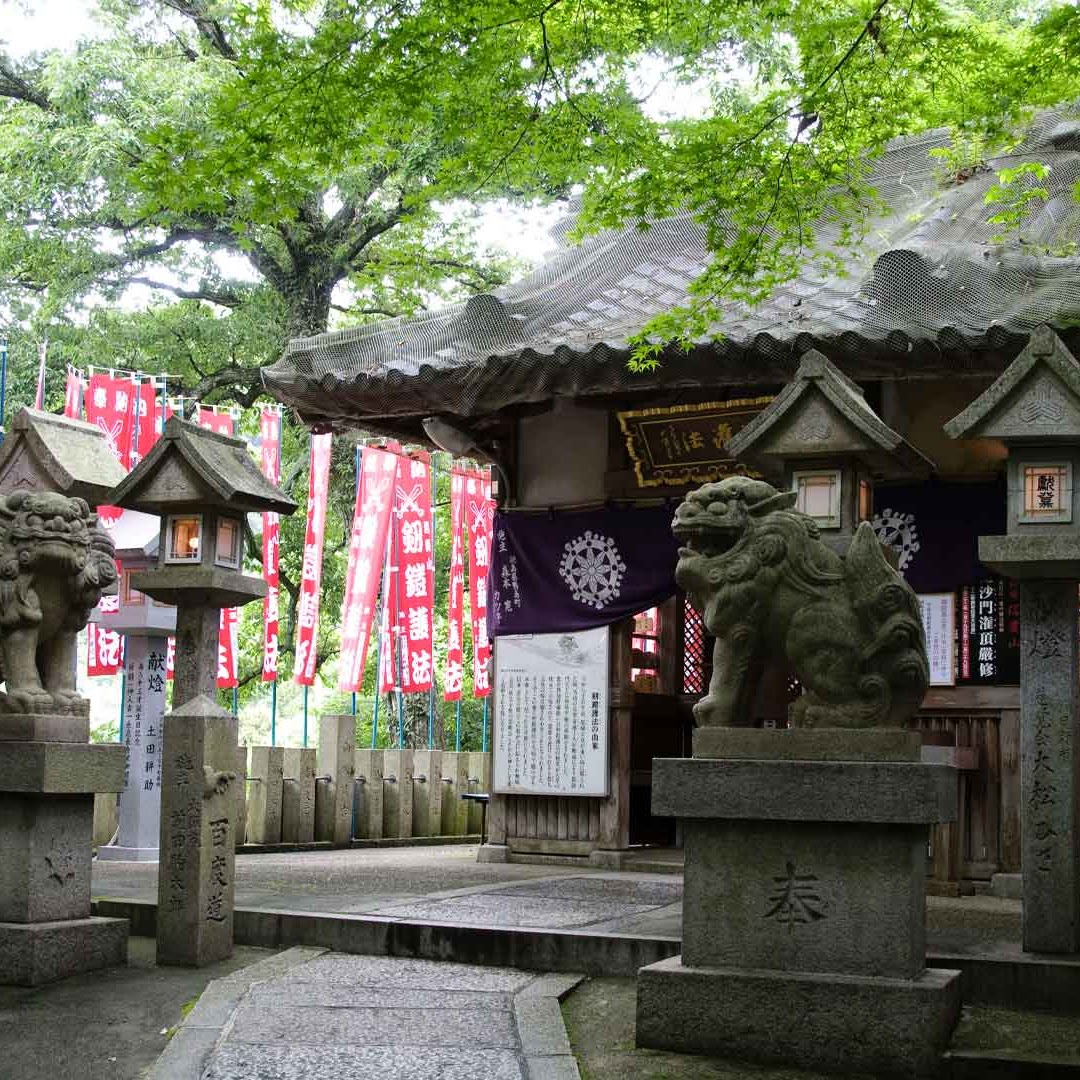
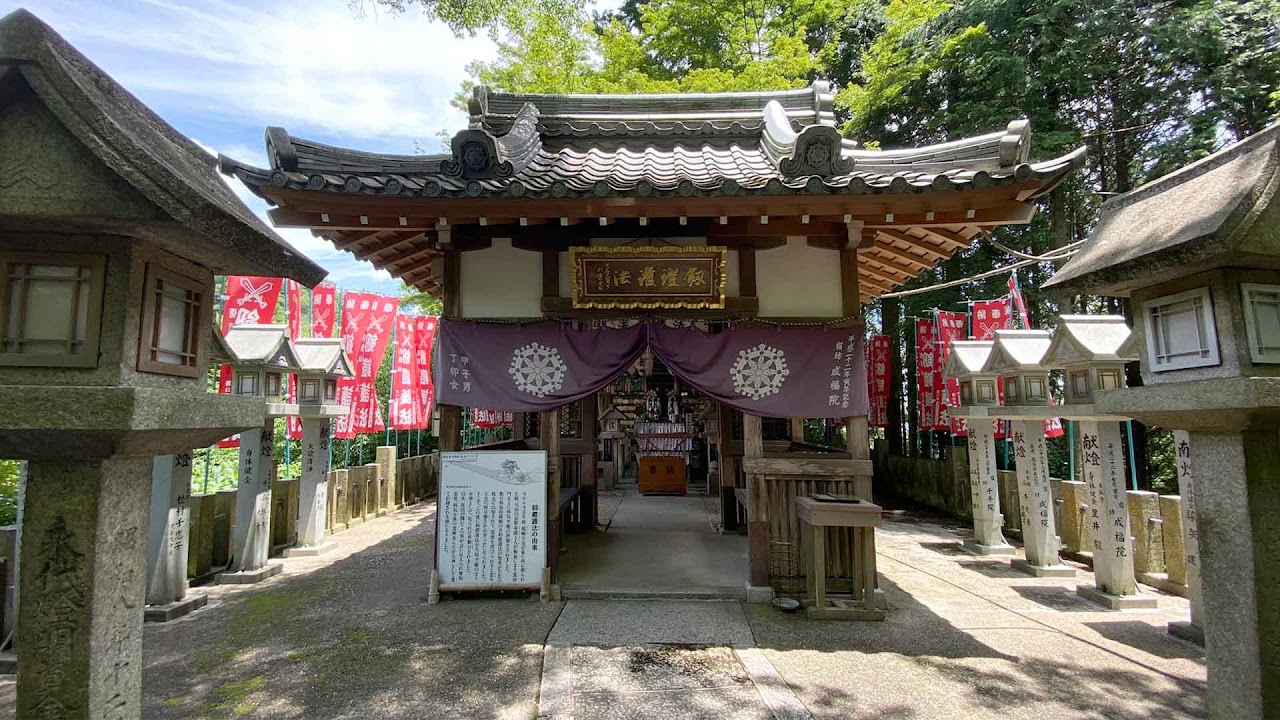
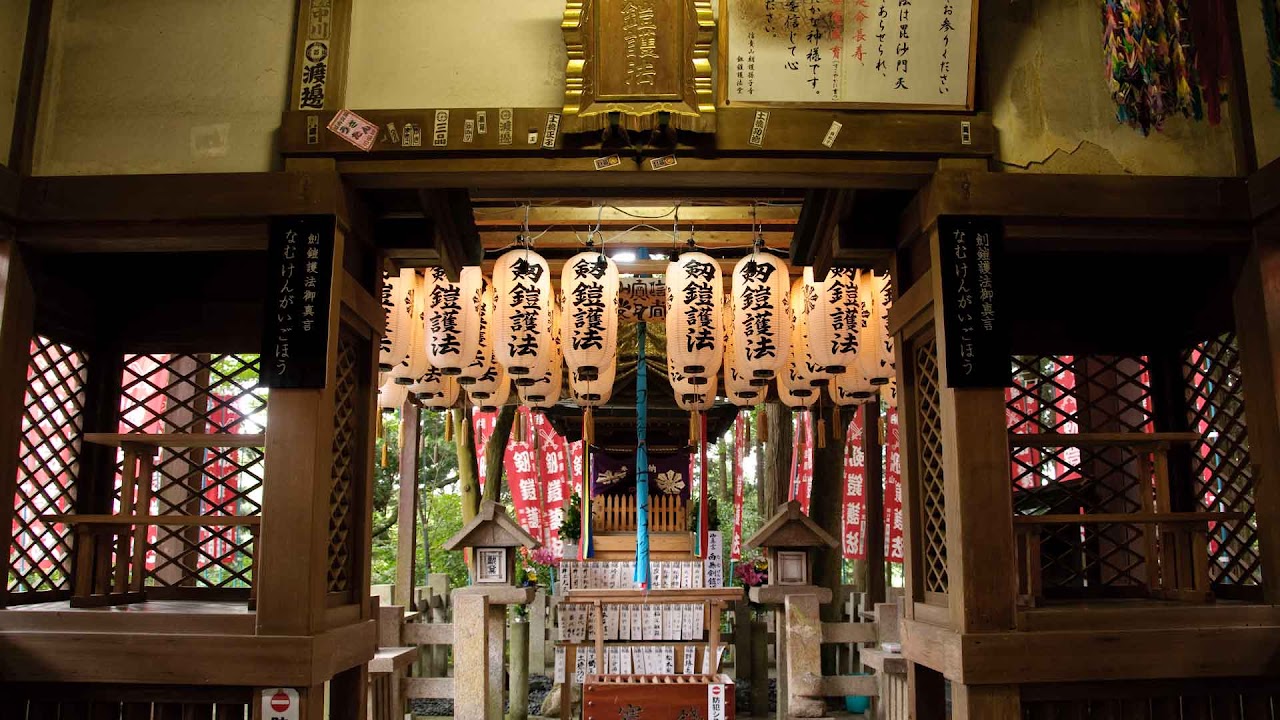
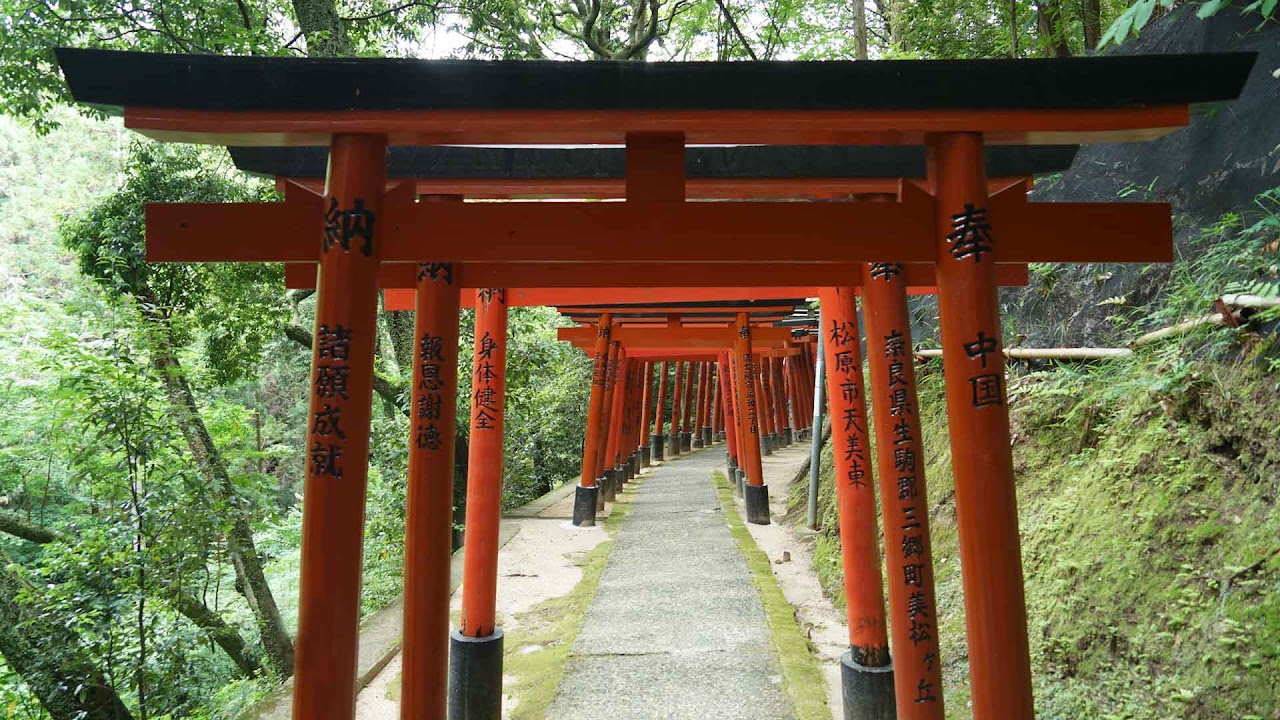
This hall enshrines Kengai Goho Doji, a divine protector who safeguards the devotees of Bishamonten from all calamity and misfortune.
According to the middle scroll of the National Treasure "Shigisan Engi Emaki," on the day the monk Myoren's esoteric prayers reached their fulfillment, the Kengai Doji appeared at Emperor Daigo's bedside. Upon receiving this divine inspiration, the emperor was immediately restored to health.
For this reason, Kengai Goho is revered as the guardian deity of healing from illness. Many devotees circumambulate the hall in the practice of "ohyakudo-mairi" (one hundred pilgrimages), chanting "Namu Kengai Goho" while praying for freedom from illness and complete recovery.
Shigisan Castle Ruins
Warring States History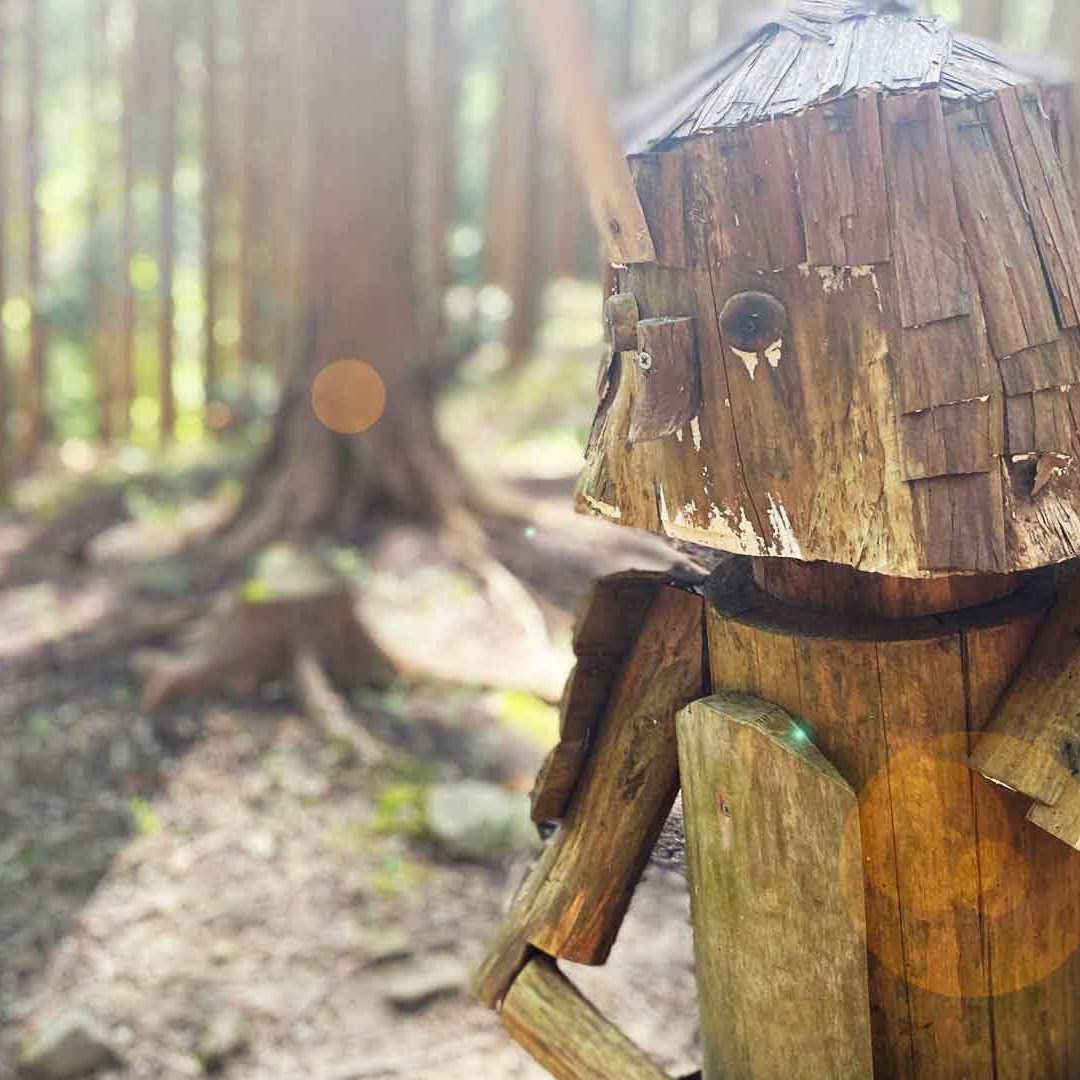
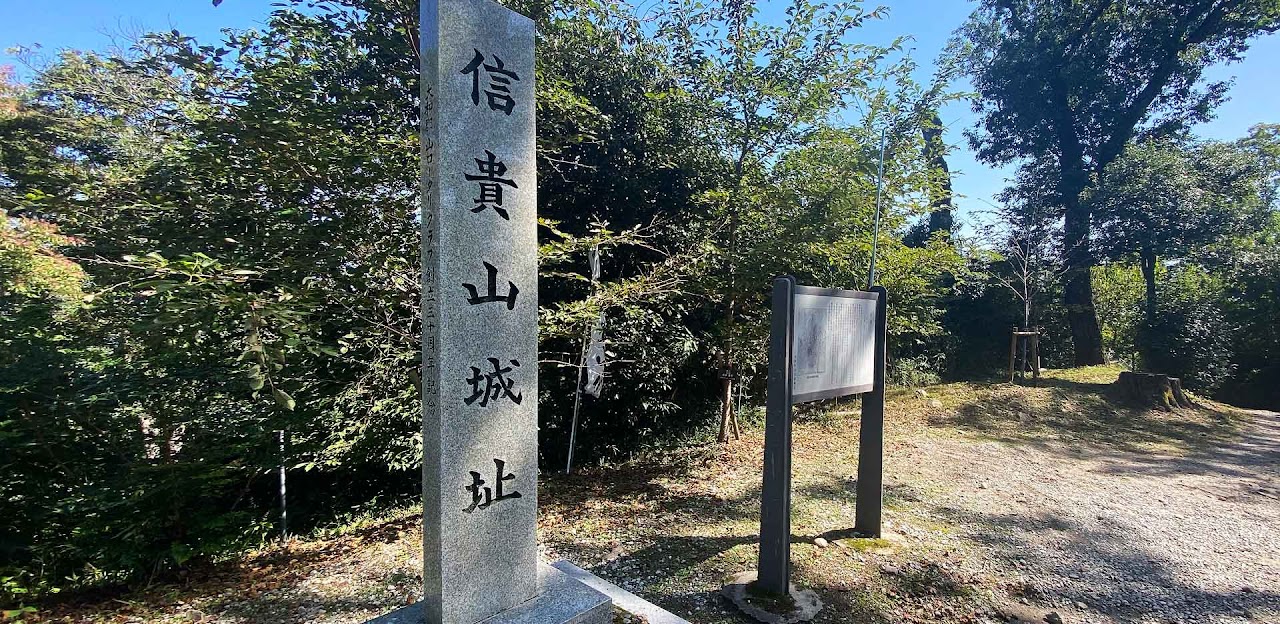
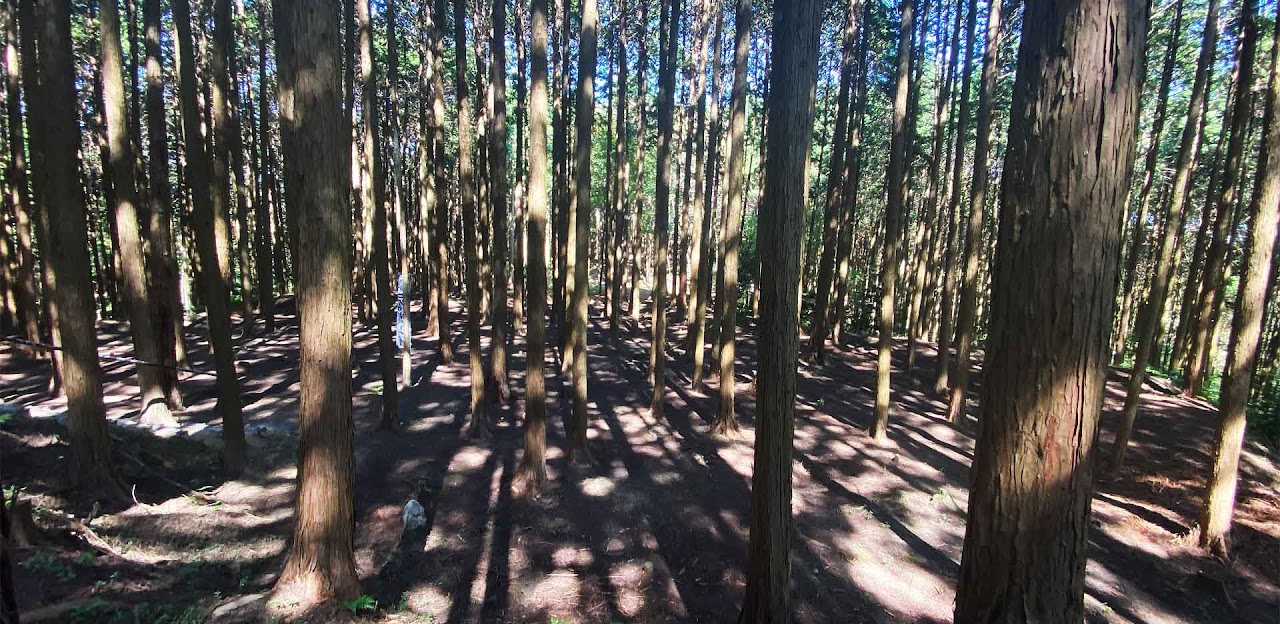
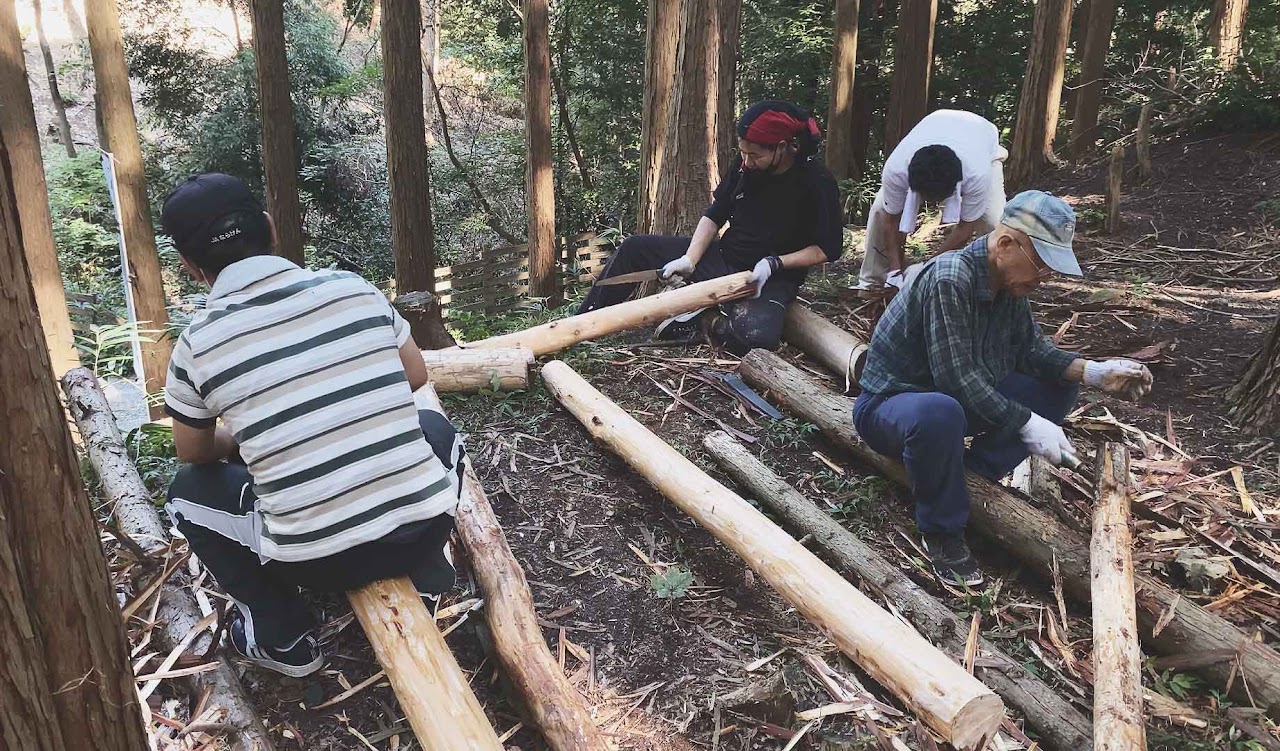
Centered on Mt. Shigi's Odake peak at an elevation of 437 meters, these castle ruins extend approximately 700 meters north to south and 550 meters east to west. This was the largest medieval mountain fortress in Nara Prefecture, and it is believed that a tower keep once stood at the summit.
The Warring States general Matsunaga Hisahide extensively renovated this castle, but in 1577 (Tensho 5), it fell to Oda Nobunaga's forces, the Matsunaga clan perished, and the castle was abandoned. Today, the remains of the "Matsunaga Estate" offer visitors a glimpse into its storied past.
The Shigisan Castle Ruins Preservation Society is dedicated to the research and conservation of the site, and continues to develop walking routes for visitors. This is a highly recommended destination for enthusiasts of Japanese history.
Visit Mt. Shigi
For pilgrimage routes, highlights, directions, and more,
please consult our Visitor Guide.